“The famous fat-butt Bubble shaft; half a million sold in eight months and it saved the company in the mid-90s. A legend, but the head is tiny and the tech is a generation of golf ago.”
The Burner Bubble's signature was its shaft, not its head: a bulge just past the grip, five years in development and unveiled at the January 1995 PGA Merchandise Show, that pushed weight toward the middle of the shaft for stability while shaving roughly 20 grams versus typical shafts of the day. Jose Maria Olazabal had already gamed a prototype to win the 1994 Masters before the driver reached retail. Backed by an $18 million marketing campaign, initial January 1995 bookings broke every quarterly sales record TaylorMade had; half a million clubs sold in the first eight months, and Burner Bubble sales alone hit $220 million in 1995, a 90% jump over the whole company's 1994 total. It is widely credited with turbocharging TaylorMade through the mid-1990s.
Repeatedly cited in independent 'memorable equipment launches' retrospectives (Golf Digest, GOLF Partner history, dedicated 'Throwback Thursday' features) as one of the era's iconic designs, instantly recognizable by its bulged shaft and still referenced in nostalgia posts three decades later. The commercial numbers (500,000 units in eight months, a $220M sales year) are independently corroborated across multiple company-history sources, not just enthusiast lore.
In 1995 it fit almost anyone chasing more clubhead speed from a lighter, more stable shaft. Today it is a nostalgia and collector buy, not a fitting recommendation — any modern driver at any price point will out-forgive and outdistance it.
Launched into direct competition with Callaway's Great Big Bertha and Ping's early titanium woods. The 'move mass into the shaft, not the head' idea was a specific mid-90s branch of driver design that the whole industry abandoned once true oversized/titanium heads (400cc+) took over by the early 2000s — a shift this same catalog traces through the Burner 420 (2002) and 2007 SuperFast Burner drivers.
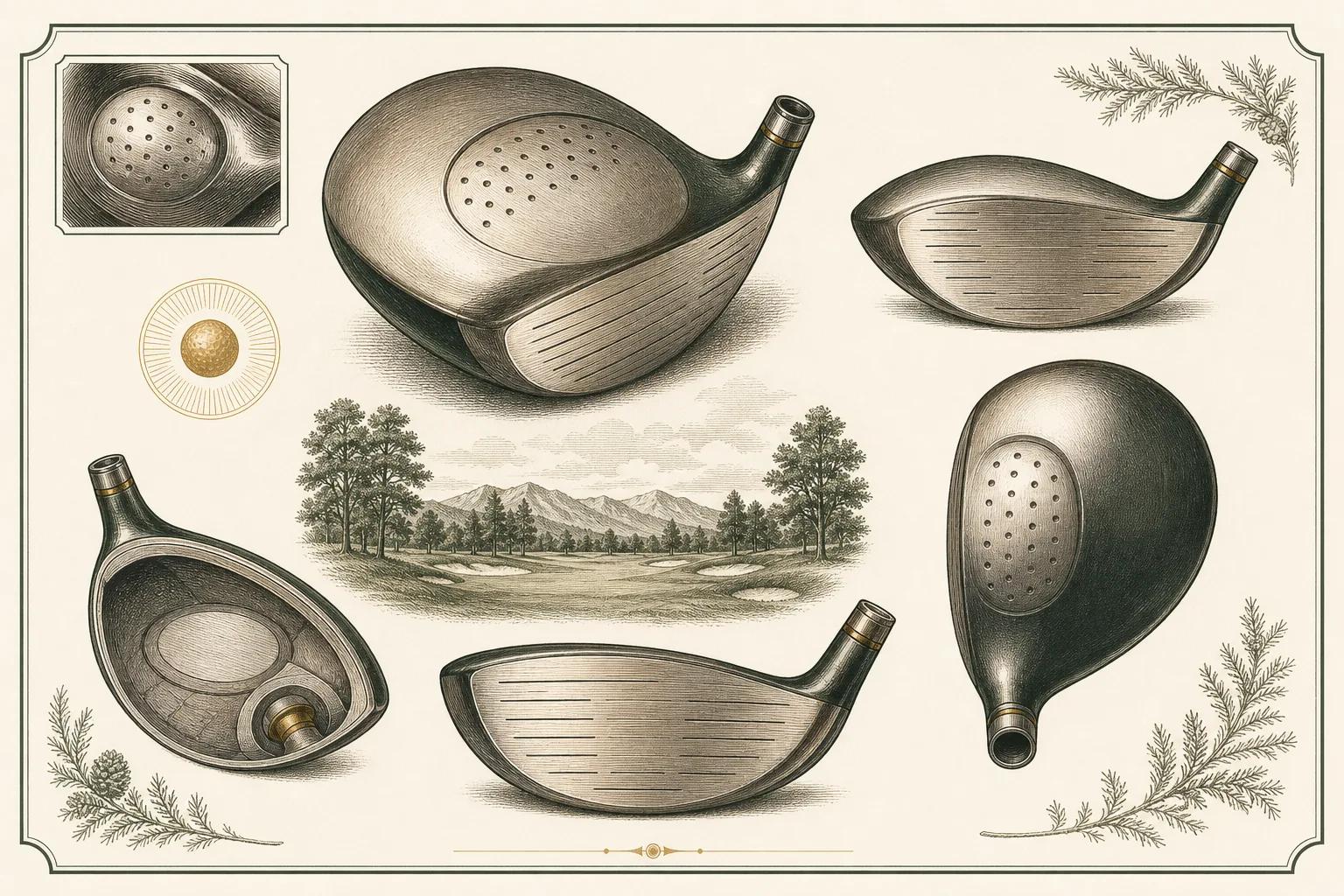
A mid-1990s metalwood head, small by any later standard (roughly 190-200cc), where the Bubble shaft's engineering targeted swing stability and clubhead speed rather than head-based forgiveness. It launches well but punishes off-center strikes far more than any titanium or modern high-MOI driver.
Calibrated across the whole catalog — a tour blade scores low here on purpose; it means control, not ease.
Cheap and plentiful in 2026: typical used listings run $25-60, with average asking prices under $50 despite the driver's genuine cult-classic nostalgia status — a reminder that cult status and used-market price are independent. It is bought today for the story and the look, not as an investment.
The Legends Rack
The copper bubble shaft! A mid-90s icon of go-go gear design that looks like nothing before or since. Who'll love it: '90s kids and design nerds.
Who it suitsAll
Reading is one thing — hitting is another. Book a bay and see the numbers for yourself before you buy anywhere.
“The famous fat-butt Bubble shaft; half a million sold in eight months and it saved the company in the mid-90s. A legend, but the head is tiny and the tech is a generation of golf ago.”
The Burner Bubble's signature was its shaft, not its head: a bulge just past the grip, five years in development and unveiled at the January 1995 PGA Merchandise Show, that pushed weight toward the middle of the shaft for stability while shaving roughly 20 grams versus typical shafts of the day. Jose Maria Olazabal had already gamed a prototype to win the 1994 Masters before the driver reached retail. Backed by an $18 million marketing campaign, initial January 1995 bookings broke every quarterly sales record TaylorMade had; half a million clubs sold in the first eight months, and Burner Bubble sales alone hit $220 million in 1995, a 90% jump over the whole company's 1994 total. It is widely credited with turbocharging TaylorMade through the mid-1990s.
Repeatedly cited in independent 'memorable equipment launches' retrospectives (Golf Digest, GOLF Partner history, dedicated 'Throwback Thursday' features) as one of the era's iconic designs, instantly recognizable by its bulged shaft and still referenced in nostalgia posts three decades later. The commercial numbers (500,000 units in eight months, a $220M sales year) are independently corroborated across multiple company-history sources, not just enthusiast lore.
In 1995 it fit almost anyone chasing more clubhead speed from a lighter, more stable shaft. Today it is a nostalgia and collector buy, not a fitting recommendation — any modern driver at any price point will out-forgive and outdistance it.
Launched into direct competition with Callaway's Great Big Bertha and Ping's early titanium woods. The 'move mass into the shaft, not the head' idea was a specific mid-90s branch of driver design that the whole industry abandoned once true oversized/titanium heads (400cc+) took over by the early 2000s — a shift this same catalog traces through the Burner 420 (2002) and 2007 SuperFast Burner drivers.
A mid-1990s metalwood head, small by any later standard (roughly 190-200cc), where the Bubble shaft's engineering targeted swing stability and clubhead speed rather than head-based forgiveness. It launches well but punishes off-center strikes far more than any titanium or modern high-MOI driver.
Calibrated across the whole catalog — a tour blade scores low here on purpose; it means control, not ease.
Cheap and plentiful in 2026: typical used listings run $25-60, with average asking prices under $50 despite the driver's genuine cult-classic nostalgia status — a reminder that cult status and used-market price are independent. It is bought today for the story and the look, not as an investment.
The Legends Rack
The copper bubble shaft! A mid-90s icon of go-go gear design that looks like nothing before or since. Who'll love it: '90s kids and design nerds.
Who it suitsAll
Reading is one thing — hitting is another. Book a bay and see the numbers for yourself before you buy anywhere.