“The first Speedline aero driver. A serviceable standard head for a moderate swing; let strike decide if it stays.”
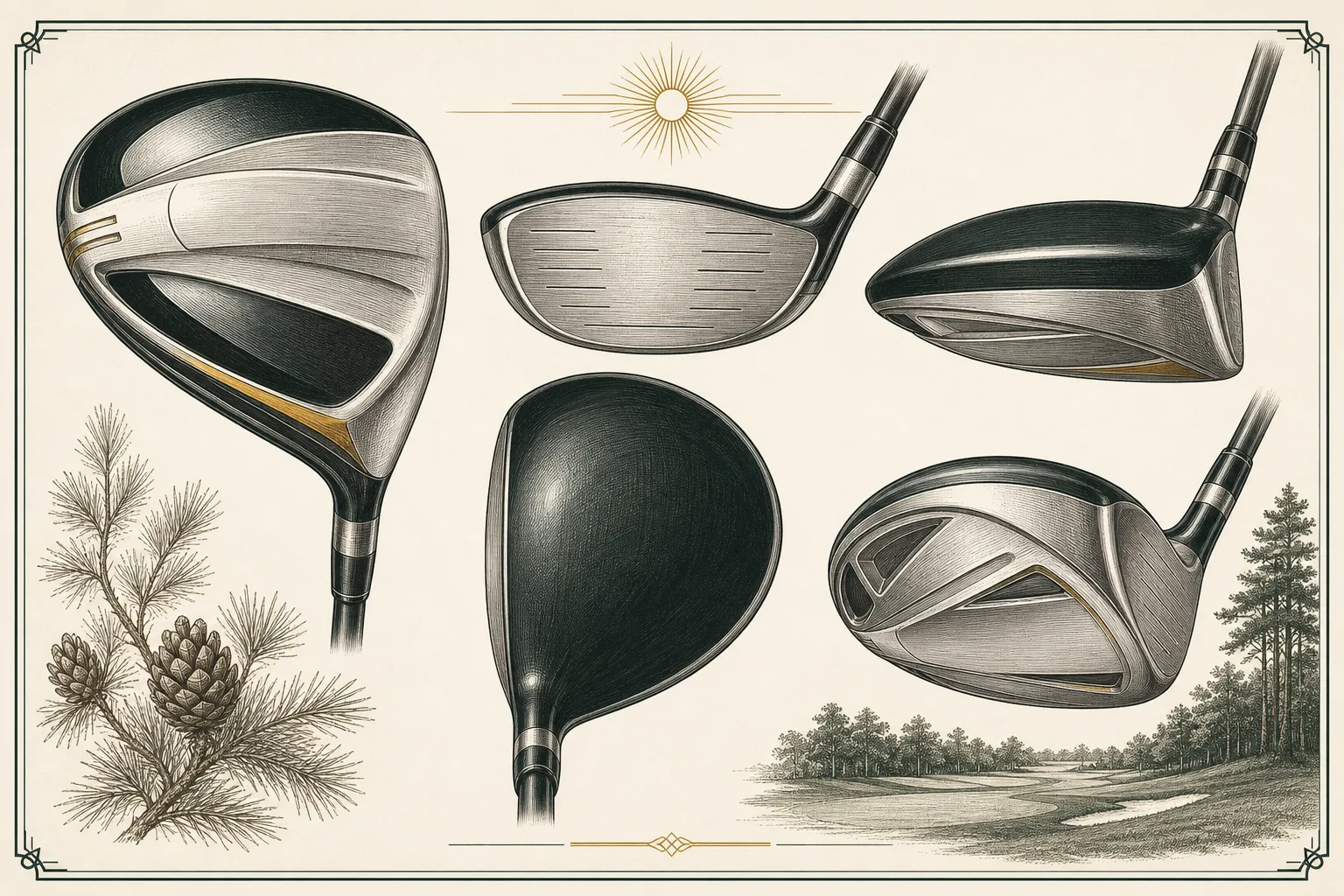
Announced January 14, 2009 and shipping in early February, the original Speedline was marketed as the first driver in golf engineered using wind tunnel technology — Adams developed the head with aero-physicists and CFD modeling at Texas A&M's Oran W. Nicks Low Speed Wind Tunnel. The aero-shaped crown, heel-and-toe 'scoops,' and smoothed face-to-body transition were claimed to cut drag enough for 3-4 mph more clubhead speed and 3-9 extra yards. The bet paid off critically: Golf Digest awarded it a Gold Medal on the 2009 Hot List in the Drivers Under $350 category, remarking that Adams 'has discovered something others have overlooked,' and Adams claimed Champions Tour and LPGA wins within months of release. Sources conflict on price: Adams's own press materials list a $399.99 MSRP with a roughly $300 street price, while retailer listings such as 2nd Swing show $299.99 as the original price. Independent reviewers were warm with caveats — one long-form review found the stock Grafalloy ProLaunch Blue Axis shaft underwhelming but called the head 'as long as my longest driver to date' once reshafted.
A genuine first-mover engineering story (publicly wind-tunnel-developed aerodynamics, pre-dating the industry-wide aero craze) plus a 2009 Golf Digest Hot List Gold Medal give it a real footnote in driver history, though no collector market ever formed.
Value-minded mid-handicappers of its day chasing clubhead speed, and reviewers specifically flagged it for golfers who already hit their driver straight but want longer carry; period testing suggests an aftermarket shaft unlocks its best results.
The dawn of the aerodynamic-driver era, arriving a year after square-headed experiments faded and just before adjustable hosels became standard — Adams beat larger rivals to a wind-tunnel marketing story while still priced as a sub-$350 value play.
A full 460cc head with a notably tall, deep face that one independent reviewer credited for taming high and low mishits, but there is no adjustable hosel or movable weighting — its aero design chased speed and distance rather than best-in-class stability.
Calibrated across the whole catalog — a tour blade scores low here on purpose; it means control, not ease.
Deeply depreciated in 2026: used examples on 2nd Swing and eBay generally run about $30-$90 depending on condition and shaft, in line with its Fast 10 successor — easy to find, nothing collectible about it.
Reading is one thing — hitting is another. Book a bay and see the numbers for yourself before you buy anywhere.
“The first Speedline aero driver. A serviceable standard head for a moderate swing; let strike decide if it stays.”
Announced January 14, 2009 and shipping in early February, the original Speedline was marketed as the first driver in golf engineered using wind tunnel technology — Adams developed the head with aero-physicists and CFD modeling at Texas A&M's Oran W. Nicks Low Speed Wind Tunnel. The aero-shaped crown, heel-and-toe 'scoops,' and smoothed face-to-body transition were claimed to cut drag enough for 3-4 mph more clubhead speed and 3-9 extra yards. The bet paid off critically: Golf Digest awarded it a Gold Medal on the 2009 Hot List in the Drivers Under $350 category, remarking that Adams 'has discovered something others have overlooked,' and Adams claimed Champions Tour and LPGA wins within months of release. Sources conflict on price: Adams's own press materials list a $399.99 MSRP with a roughly $300 street price, while retailer listings such as 2nd Swing show $299.99 as the original price. Independent reviewers were warm with caveats — one long-form review found the stock Grafalloy ProLaunch Blue Axis shaft underwhelming but called the head 'as long as my longest driver to date' once reshafted.
A genuine first-mover engineering story (publicly wind-tunnel-developed aerodynamics, pre-dating the industry-wide aero craze) plus a 2009 Golf Digest Hot List Gold Medal give it a real footnote in driver history, though no collector market ever formed.
Value-minded mid-handicappers of its day chasing clubhead speed, and reviewers specifically flagged it for golfers who already hit their driver straight but want longer carry; period testing suggests an aftermarket shaft unlocks its best results.
The dawn of the aerodynamic-driver era, arriving a year after square-headed experiments faded and just before adjustable hosels became standard — Adams beat larger rivals to a wind-tunnel marketing story while still priced as a sub-$350 value play.
A full 460cc head with a notably tall, deep face that one independent reviewer credited for taming high and low mishits, but there is no adjustable hosel or movable weighting — its aero design chased speed and distance rather than best-in-class stability.
Calibrated across the whole catalog — a tour blade scores low here on purpose; it means control, not ease.
Deeply depreciated in 2026: used examples on 2nd Swing and eBay generally run about $30-$90 depending on condition and shaft, in line with its Fast 10 successor — easy to find, nothing collectible about it.
Reading is one thing — hitting is another. Book a bay and see the numbers for yourself before you buy anywhere.