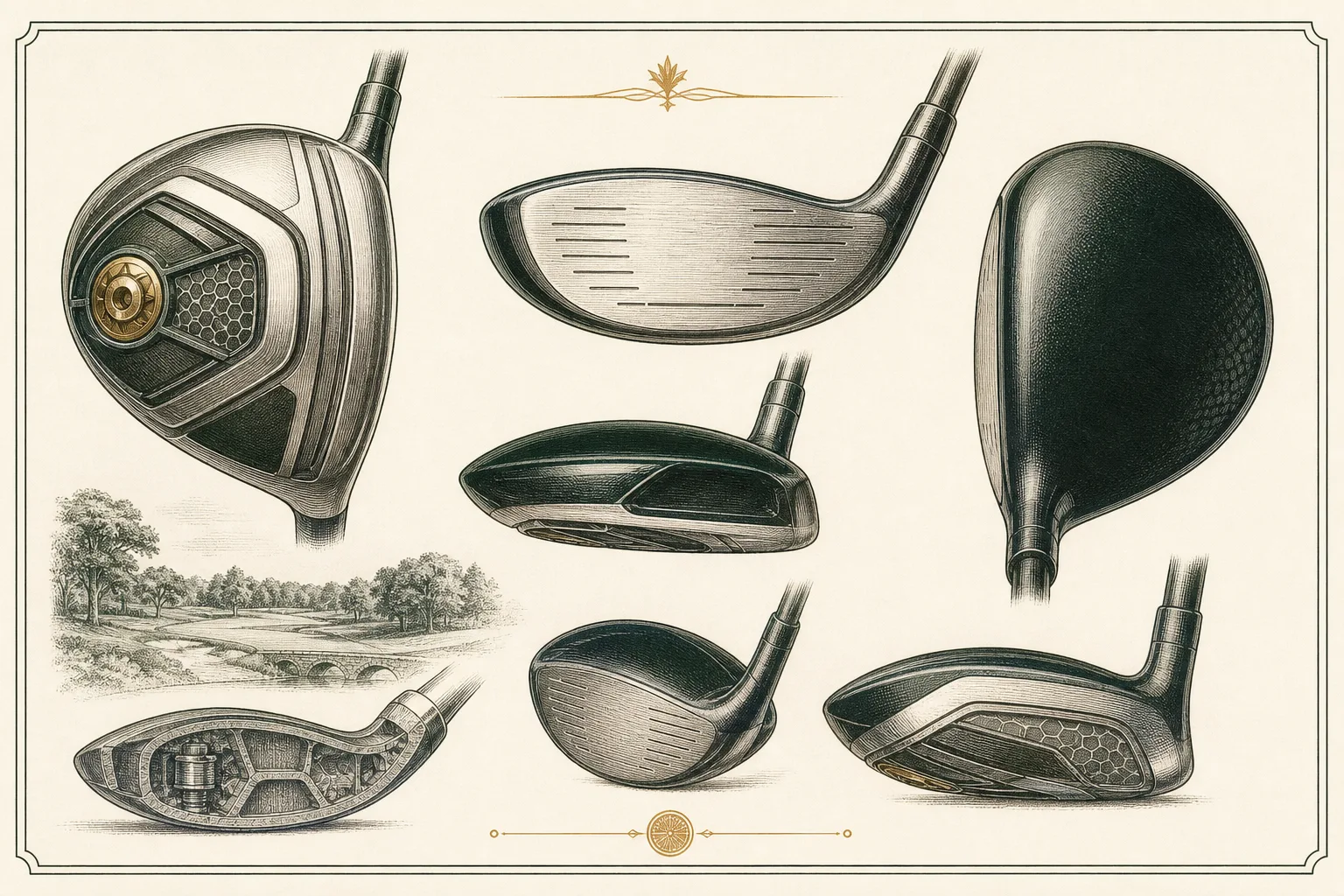
The BiO CELL fairway carried forward the technology from Cobra's successful AMP Cell woods into a 2014 update built around a thin, forged steel face insert (aimed at driver-like face flex) and Cobra's MyFly8 adjustable-loft hosel with eight settings, plus SmartPad to keep the face square at address regardless of loft change. It came in two builds: the standard BiO CELL for ease of launch and forgiveness, and the more compact BiO CELL+ aimed at better ball-strikers wanting a cleaner shape and lower flight. True to Cobra's brand identity, it also shipped in five loud colorways (red, orange, blue, silver, black).
Solid, well-reviewed clubtest performer in its year (Golf.com ClubTest 2014, GolfWRX and PluggedInGolf coverage) but nothing about it generated lasting demand -- it was one predictable step in Cobra's annual fairway-wood refresh cycle, replaced within about a year by the Fly-Z line.
Good for mid-handicappers wanting an easy-launching, adjustable fairway wood at a bargain used price today; the BiO CELL+ suits lower handicaps wanting a cleaner look and slightly more control. Neither is a fit for a golfer chasing current distance technology -- a decade of face and aerodynamic gains separate it from Cobra's current lineup.
Released in 2014 against TaylorMade's SLDR and Callaway's Big Bertha fairway woods of that generation; it succeeded Cobra's AMP Cell fairway and was itself replaced by the Fly-Z fairway a year later. A modern equivalent in Cobra's own line is the Darkspeed fairway.
Testers found it easy to hit from all surfaces with reliably high, long flight -- the standard BiO CELL head is more forgiving than the compact BiO CELL+, which sacrifices a bit of mis-hit tolerance for a smaller, more workable profile favored by better players.
Calibrated across the whole catalog — a tour blade scores low here on purpose; it means control, not ease.
As an 11-year-old mainstream fairway wood, realistic 2026 private-party value is roughly $40-$70 per club; it holds no collector premium and depreciates like any superseded Cobra GI fairway wood.
Reading is one thing — hitting is another. Book a bay and see the numbers for yourself before you buy anywhere.
The BiO CELL fairway carried forward the technology from Cobra's successful AMP Cell woods into a 2014 update built around a thin, forged steel face insert (aimed at driver-like face flex) and Cobra's MyFly8 adjustable-loft hosel with eight settings, plus SmartPad to keep the face square at address regardless of loft change. It came in two builds: the standard BiO CELL for ease of launch and forgiveness, and the more compact BiO CELL+ aimed at better ball-strikers wanting a cleaner shape and lower flight. True to Cobra's brand identity, it also shipped in five loud colorways (red, orange, blue, silver, black).
Solid, well-reviewed clubtest performer in its year (Golf.com ClubTest 2014, GolfWRX and PluggedInGolf coverage) but nothing about it generated lasting demand -- it was one predictable step in Cobra's annual fairway-wood refresh cycle, replaced within about a year by the Fly-Z line.
Good for mid-handicappers wanting an easy-launching, adjustable fairway wood at a bargain used price today; the BiO CELL+ suits lower handicaps wanting a cleaner look and slightly more control. Neither is a fit for a golfer chasing current distance technology -- a decade of face and aerodynamic gains separate it from Cobra's current lineup.
Released in 2014 against TaylorMade's SLDR and Callaway's Big Bertha fairway woods of that generation; it succeeded Cobra's AMP Cell fairway and was itself replaced by the Fly-Z fairway a year later. A modern equivalent in Cobra's own line is the Darkspeed fairway.
Testers found it easy to hit from all surfaces with reliably high, long flight -- the standard BiO CELL head is more forgiving than the compact BiO CELL+, which sacrifices a bit of mis-hit tolerance for a smaller, more workable profile favored by better players.
Calibrated across the whole catalog — a tour blade scores low here on purpose; it means control, not ease.
As an 11-year-old mainstream fairway wood, realistic 2026 private-party value is roughly $40-$70 per club; it holds no collector premium and depreciates like any superseded Cobra GI fairway wood.
Reading is one thing — hitting is another. Book a bay and see the numbers for yourself before you buy anywhere.