“A more players-oriented Adams fairway with strong turf interaction. Set loft to fill a real carry gap.”
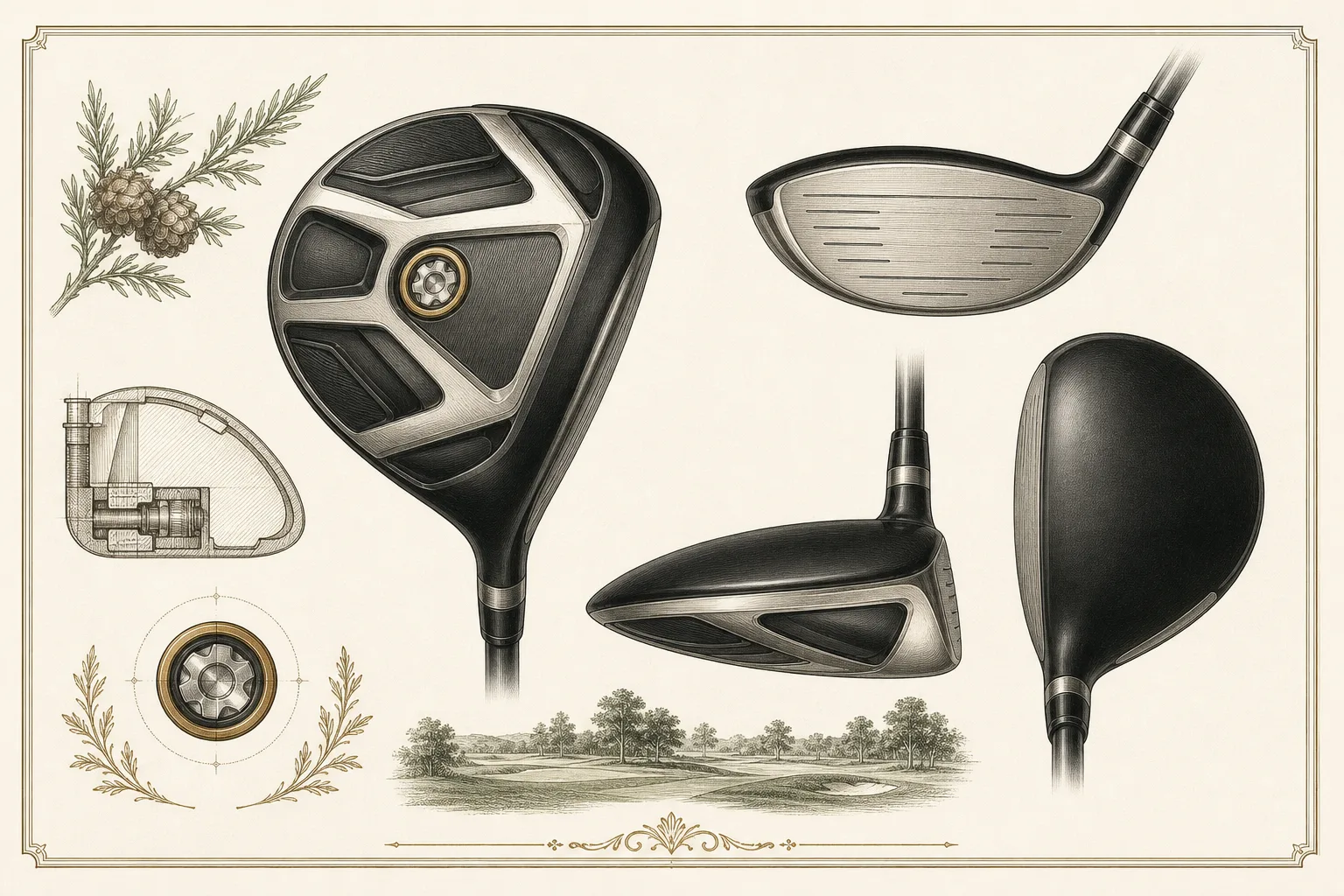
Adams' 2013 value-tier fairway wood, built around the same 'Cut-Thru Velocity Slot' technology debuting on the companion XTD driver: twin channels cut into the crown and sole near the face to keep it flexing and boost ball speed on off-center strikes (Adams claimed up to 29% faster ball speed on mis-hits, per the driver's marketing). It paired a titanium-faced construction with a 12-position adjustable hosel (roughly +/-1.5 degrees of loft, up to 3 degrees of lie) borrowed straight from the XTD driver, and stock Matrix-built graphite. It arrived a year after TaylorMade-adidas completed its acquisition of Adams Golf (2012), during one of the brand's last original-engineering product cycles before Adams was gradually wound down later in the decade.
No lasting reputation of any kind: unlike Adams' famous 1990s Tight Lies fairway (a genuine game-changer people still reference), the XTD family arrived after TaylorMade had already absorbed the brand and simply did its job as a competent, forgiving fairway wood. It shows up in period reviews as solid but is never discussed today, mentioned in no 'best of' retrospectives, and holds no collector interest.
Mid-to-high handicappers who want an easy-launching, adjustable 3- or 5-wood at a moderate price. Not a fit for a better player chasing shot-shaping control or a modern golfer who wants today's ball speeds and forgiveness ceiling.
Released in 2013, one year after TaylorMade-adidas completed its acquisition of Adams Golf (August 2012) — one of the last fairway-wood platforms developed under Adams' original engineering team before the brand's independent product lineage was phased out (final new Adams releases trailed off around 2016-2017). Competed against Callaway's X2 Hot, TaylorMade's own RocketBallz/SLDR fairways, and Ping's G25.
Standard fairway-wood forgiveness for its era: a wide sole and the Velocity/Cut-Thru Slot's face-flexing effect help off-center hits hold ball speed, and the adjustable hosel lets you dial trajectory. It is a game-improvement fairway, not a max-forgiveness one, and does not approach a modern high-MOI fairway's mis-hit tolerance.
Calibrated across the whole catalog — a tour blade scores low here on purpose; it means control, not ease.
Cheap and plentiful in 2026 -- a clean XTD fairway wood typically sells for roughly $30-$60 privately (eBay/SidelineSwap), reflecting a 13-year-old fairway from a since-absorbed brand with no collector demand. Worth what it can still do on the course, nothing more.
Reading is one thing — hitting is another. Book a bay and see the numbers for yourself before you buy anywhere.
“A more players-oriented Adams fairway with strong turf interaction. Set loft to fill a real carry gap.”
Adams' 2013 value-tier fairway wood, built around the same 'Cut-Thru Velocity Slot' technology debuting on the companion XTD driver: twin channels cut into the crown and sole near the face to keep it flexing and boost ball speed on off-center strikes (Adams claimed up to 29% faster ball speed on mis-hits, per the driver's marketing). It paired a titanium-faced construction with a 12-position adjustable hosel (roughly +/-1.5 degrees of loft, up to 3 degrees of lie) borrowed straight from the XTD driver, and stock Matrix-built graphite. It arrived a year after TaylorMade-adidas completed its acquisition of Adams Golf (2012), during one of the brand's last original-engineering product cycles before Adams was gradually wound down later in the decade.
No lasting reputation of any kind: unlike Adams' famous 1990s Tight Lies fairway (a genuine game-changer people still reference), the XTD family arrived after TaylorMade had already absorbed the brand and simply did its job as a competent, forgiving fairway wood. It shows up in period reviews as solid but is never discussed today, mentioned in no 'best of' retrospectives, and holds no collector interest.
Mid-to-high handicappers who want an easy-launching, adjustable 3- or 5-wood at a moderate price. Not a fit for a better player chasing shot-shaping control or a modern golfer who wants today's ball speeds and forgiveness ceiling.
Released in 2013, one year after TaylorMade-adidas completed its acquisition of Adams Golf (August 2012) — one of the last fairway-wood platforms developed under Adams' original engineering team before the brand's independent product lineage was phased out (final new Adams releases trailed off around 2016-2017). Competed against Callaway's X2 Hot, TaylorMade's own RocketBallz/SLDR fairways, and Ping's G25.
Standard fairway-wood forgiveness for its era: a wide sole and the Velocity/Cut-Thru Slot's face-flexing effect help off-center hits hold ball speed, and the adjustable hosel lets you dial trajectory. It is a game-improvement fairway, not a max-forgiveness one, and does not approach a modern high-MOI fairway's mis-hit tolerance.
Calibrated across the whole catalog — a tour blade scores low here on purpose; it means control, not ease.
Cheap and plentiful in 2026 -- a clean XTD fairway wood typically sells for roughly $30-$60 privately (eBay/SidelineSwap), reflecting a 13-year-old fairway from a since-absorbed brand with no collector demand. Worth what it can still do on the course, nothing more.
Reading is one thing — hitting is another. Book a bay and see the numbers for yourself before you buy anywhere.