Hit 32 times in The Clubhouse
“The last Launcher-branded fairway before the modern revival, a shallow, easy-to-hit design. A middle-of-the-ladder fairway wood.”
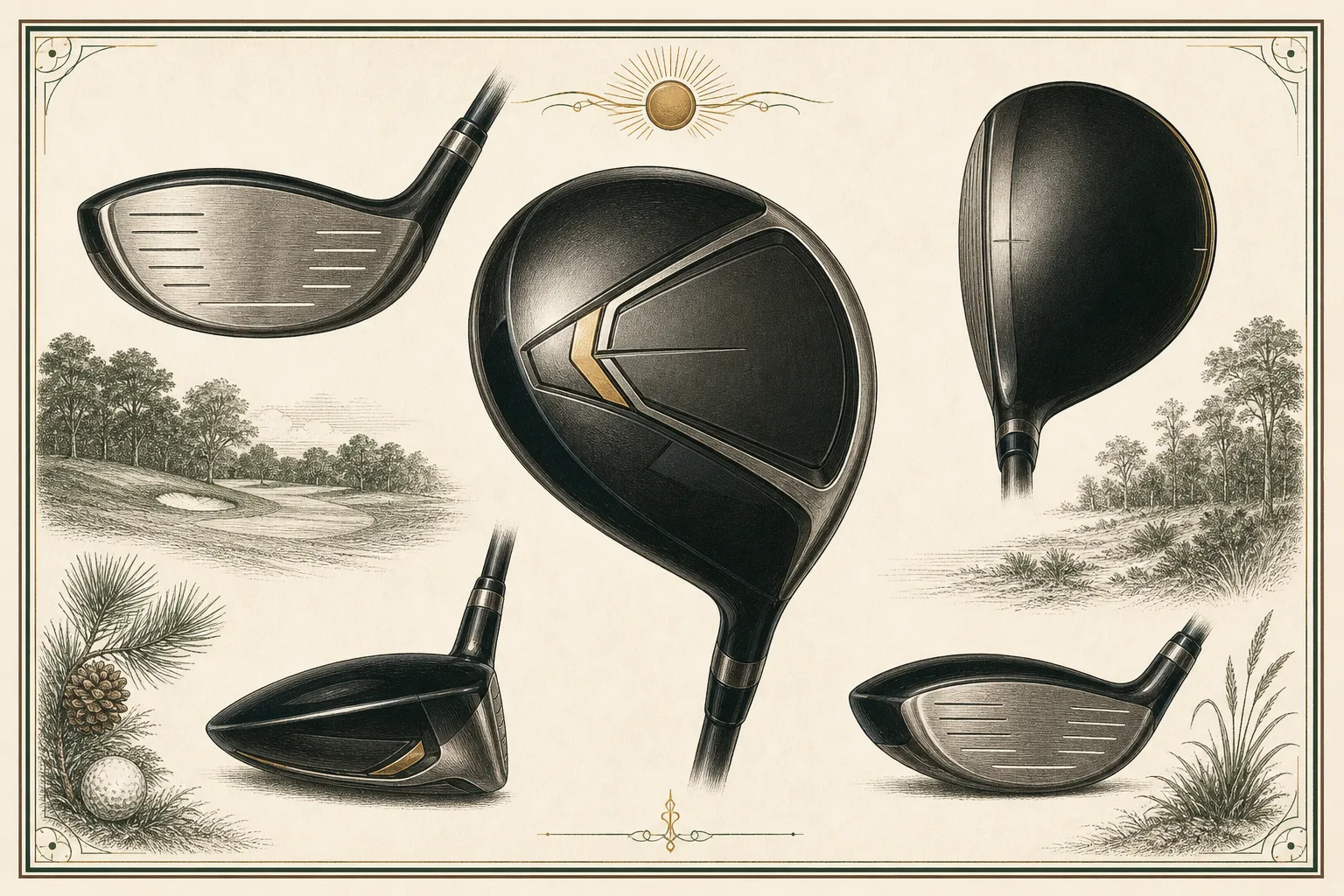
The FL ('featherlight') fairway wood was Cleveland's follow-up to the DST driver, engineered with Miyazaki and Lamkin to strip roughly 30 grams of total weight out of the shaft and grip versus a conventional fairway build. Reviewers measured that savings at about 3mph of added clubhead speed and 7-10 yards of carry for a like-for-like swing. It ran a slightly larger, more closed head than the DST-era fairway it replaced, with a tall, deep, oversized-but-not-huge face profile meant to build address confidence. It was the last Launcher-branded fairway before the line went dormant until the 2020s XL Halo revival.
No cult following and no reason to expect one: it was well reviewed in its moment (Golfalot, Today's Golfer, The Hackers Paradise all rated it positively) but built no lasting reputation, spawned no tour story, and simply aged into an ordinary secondhand fairway wood once Cleveland moved on. Its value was the lightweight-build gimmick working as advertised, not any special status.
Good for moderate swing speeds who want extra clubhead speed and carry from a genuinely lighter total build (about 30g lighter than a standard fairway of its day), and for players who like a tall, confidence-inspiring face at address. Better players wanting more workability or a lower, more penetrating flight, or anyone who prefers shaft weight/feel over speed gains, should look at a heavier players' fairway instead.
Launched alongside the Launcher DST driver as Cleveland's 2010 lightweight-distance push, competing against TaylorMade's Burner SuperFast and Callaway's Diablo Edge fairways, both also chasing speed-through-lightness that year. It was the final fairway to wear the Launcher name until Cleveland revived the brand with the Launcher HB in 2017, and it sat between the earlier DST fairway and that later HB generation in Cleveland's own product history.
A tall, deep, oversized-but-controlled face gives real forgiveness and confidence at address, and the shallow, easy-to-launch profile helps get the ball airborne off the deck. It is not a max-forgiveness super-GI fairway, though — the profile is closer to a standard game-improvement fairway that happens to be unusually light, so mis-hit distance retention is good but not category-leading.
Calibrated across the whole catalog — a tour blade scores low here on purpose; it means control, not ease.
A 16-year-old budget-tier fairway wood with no collector interest. Realistic 2026 private-party price is roughly $25-45 for a clean example, consistent with other superseded mid-market fairways of its vintage.
Reading is one thing — hitting is another. Book a bay and see the numbers for yourself before you buy anywhere.
Hit 32 times in The Clubhouse
“The last Launcher-branded fairway before the modern revival, a shallow, easy-to-hit design. A middle-of-the-ladder fairway wood.”
The FL ('featherlight') fairway wood was Cleveland's follow-up to the DST driver, engineered with Miyazaki and Lamkin to strip roughly 30 grams of total weight out of the shaft and grip versus a conventional fairway build. Reviewers measured that savings at about 3mph of added clubhead speed and 7-10 yards of carry for a like-for-like swing. It ran a slightly larger, more closed head than the DST-era fairway it replaced, with a tall, deep, oversized-but-not-huge face profile meant to build address confidence. It was the last Launcher-branded fairway before the line went dormant until the 2020s XL Halo revival.
No cult following and no reason to expect one: it was well reviewed in its moment (Golfalot, Today's Golfer, The Hackers Paradise all rated it positively) but built no lasting reputation, spawned no tour story, and simply aged into an ordinary secondhand fairway wood once Cleveland moved on. Its value was the lightweight-build gimmick working as advertised, not any special status.
Good for moderate swing speeds who want extra clubhead speed and carry from a genuinely lighter total build (about 30g lighter than a standard fairway of its day), and for players who like a tall, confidence-inspiring face at address. Better players wanting more workability or a lower, more penetrating flight, or anyone who prefers shaft weight/feel over speed gains, should look at a heavier players' fairway instead.
Launched alongside the Launcher DST driver as Cleveland's 2010 lightweight-distance push, competing against TaylorMade's Burner SuperFast and Callaway's Diablo Edge fairways, both also chasing speed-through-lightness that year. It was the final fairway to wear the Launcher name until Cleveland revived the brand with the Launcher HB in 2017, and it sat between the earlier DST fairway and that later HB generation in Cleveland's own product history.
A tall, deep, oversized-but-controlled face gives real forgiveness and confidence at address, and the shallow, easy-to-launch profile helps get the ball airborne off the deck. It is not a max-forgiveness super-GI fairway, though — the profile is closer to a standard game-improvement fairway that happens to be unusually light, so mis-hit distance retention is good but not category-leading.
Calibrated across the whole catalog — a tour blade scores low here on purpose; it means control, not ease.
A 16-year-old budget-tier fairway wood with no collector interest. Realistic 2026 private-party price is roughly $25-45 for a clean example, consistent with other superseded mid-market fairways of its vintage.
Reading is one thing — hitting is another. Book a bay and see the numbers for yourself before you buy anywhere.