“Callaway's largest-ever head at launch (454cc, 6cc under the limit) built for high MOI and easy launch, with a 15-degree HT option for slow swings. A true rung-1 driver of its era; buy on price, not performance.”
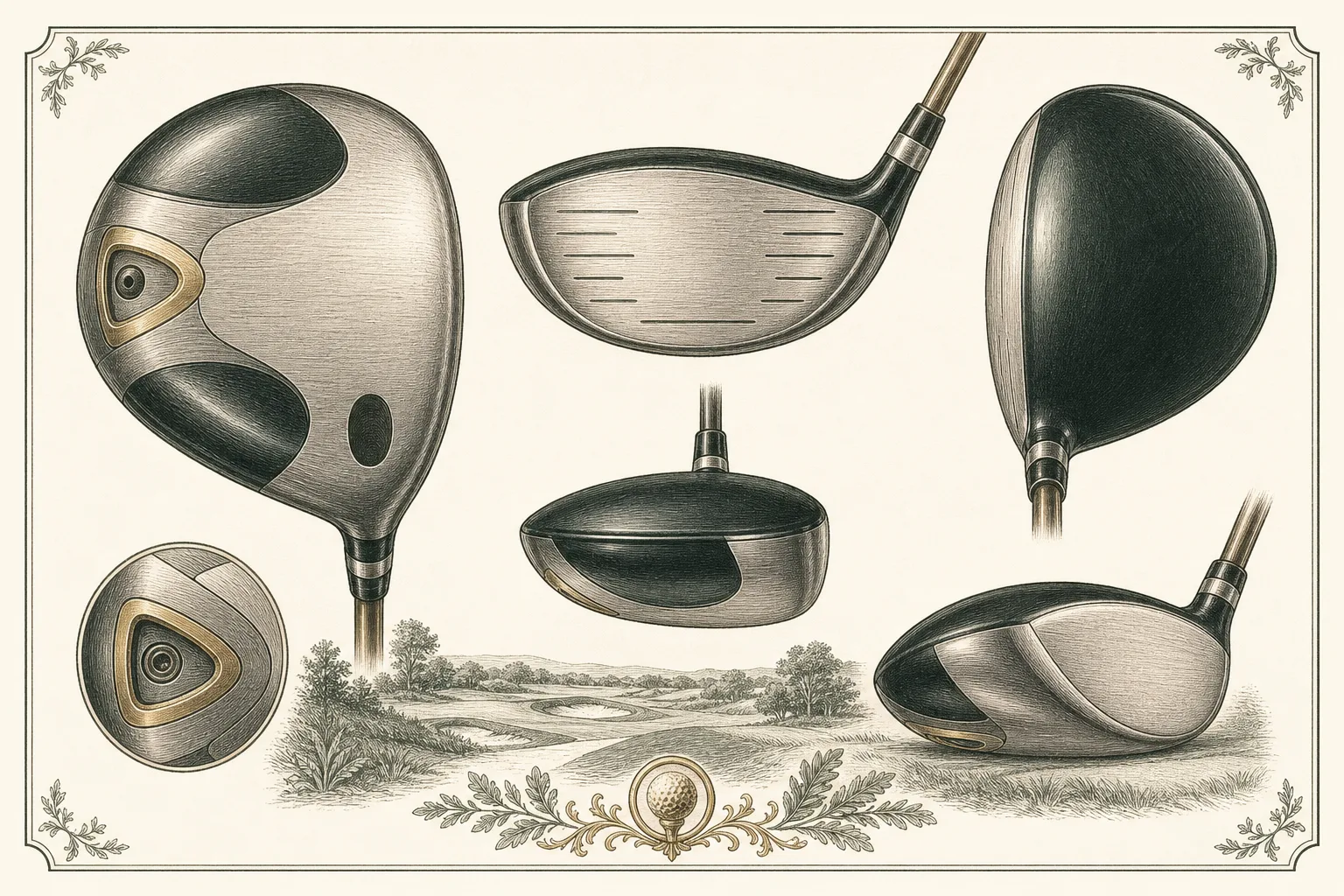
The Big Bertha 454 pushed Callaway's titanium driver head to 454cc — six cubic centimeters under the USGA's 460cc ceiling and, at launch, the largest head Callaway had ever made. It combined an ultra-thin titanium face with S2H2 (Short Straight Hollow Hosel) and Tru-Bore construction to free discretionary weight and push it to the perimeter for stability, offered in six lofts from 8 to 15 degrees including a 15-degree high-trajectory option for slower swings. Reviews praised its overall balance and mid-flight consistency, but flagged a real trade-off: toe misses tended to slice and heel strikes felt numb, meaning the 454 traded some off-center forgiveness for its size elsewhere in the head.
It holds a small factual claim to fame — largest Callaway driver head at the time of release, just under the legal limit — repeated across independent retailer and review write-ups (2nd Swing, Today's Golfer, golfreview.com's 117 reviews at 4.2/5). That is a genuine, sourced historical footnote, not manufactured hype, but it never developed forum-driven demand or scarcity; it was a mainstream flagship that sold in volume and was replaced on Callaway's normal cycle.
Mid-handicappers wanting a stable, mid-flighted, controllable driver, including slower swingers who could use the 15-degree high-trajectory head. Players who miss toward the heel or toe consistently should note period testers flagged real penalties there — a modern high-MOI 460cc driver is considerably more forgiving on true off-center strikes today.
Competed against TaylorMade's r7 Quad and Titleist's 907D2 in the mid-2000s size-and-adjustability race; Callaway itself replaced the Big Bertha name within a few years with the 460cc-class Fusion and later FT-series drivers. Against a modern 460cc driver like the Ping G430 or Callaway Paradym, the 454 gives up meaningful forgiveness and ball speed despite its near-max-legal size, underlining how much of the last twenty years of gains came from face and weighting engineering rather than raw head size.
The large 454cc head with perimeter weighting gives real stability and MOI benefits for its era, but period reviews specifically noted it is 'not extremely forgiving' on toe and heel strikes — toe misses tended to slice and heel strikes felt numb/harsh. That is a meaningfully more honest forgiveness profile than its near-max-legal size alone would suggest.
Calibrated across the whole catalog — a tour blade scores low here on purpose; it means control, not ease.
Private-party value in 2026 runs roughly $25-45 for a clean head with stock shaft; it is a functional used driver, not a collectible, though its 'largest Callaway driver of its day' factoid keeps it slightly more findable/discussed than its Big Bertha Titanium 2004 predecessor.
Reading is one thing — hitting is another. Book a bay and see the numbers for yourself before you buy anywhere.
“Callaway's largest-ever head at launch (454cc, 6cc under the limit) built for high MOI and easy launch, with a 15-degree HT option for slow swings. A true rung-1 driver of its era; buy on price, not performance.”
The Big Bertha 454 pushed Callaway's titanium driver head to 454cc — six cubic centimeters under the USGA's 460cc ceiling and, at launch, the largest head Callaway had ever made. It combined an ultra-thin titanium face with S2H2 (Short Straight Hollow Hosel) and Tru-Bore construction to free discretionary weight and push it to the perimeter for stability, offered in six lofts from 8 to 15 degrees including a 15-degree high-trajectory option for slower swings. Reviews praised its overall balance and mid-flight consistency, but flagged a real trade-off: toe misses tended to slice and heel strikes felt numb, meaning the 454 traded some off-center forgiveness for its size elsewhere in the head.
It holds a small factual claim to fame — largest Callaway driver head at the time of release, just under the legal limit — repeated across independent retailer and review write-ups (2nd Swing, Today's Golfer, golfreview.com's 117 reviews at 4.2/5). That is a genuine, sourced historical footnote, not manufactured hype, but it never developed forum-driven demand or scarcity; it was a mainstream flagship that sold in volume and was replaced on Callaway's normal cycle.
Mid-handicappers wanting a stable, mid-flighted, controllable driver, including slower swingers who could use the 15-degree high-trajectory head. Players who miss toward the heel or toe consistently should note period testers flagged real penalties there — a modern high-MOI 460cc driver is considerably more forgiving on true off-center strikes today.
Competed against TaylorMade's r7 Quad and Titleist's 907D2 in the mid-2000s size-and-adjustability race; Callaway itself replaced the Big Bertha name within a few years with the 460cc-class Fusion and later FT-series drivers. Against a modern 460cc driver like the Ping G430 or Callaway Paradym, the 454 gives up meaningful forgiveness and ball speed despite its near-max-legal size, underlining how much of the last twenty years of gains came from face and weighting engineering rather than raw head size.
The large 454cc head with perimeter weighting gives real stability and MOI benefits for its era, but period reviews specifically noted it is 'not extremely forgiving' on toe and heel strikes — toe misses tended to slice and heel strikes felt numb/harsh. That is a meaningfully more honest forgiveness profile than its near-max-legal size alone would suggest.
Calibrated across the whole catalog — a tour blade scores low here on purpose; it means control, not ease.
Private-party value in 2026 runs roughly $25-45 for a clean head with stock shaft; it is a functional used driver, not a collectible, though its 'largest Callaway driver of its day' factoid keeps it slightly more findable/discussed than its Big Bertha Titanium 2004 predecessor.
Reading is one thing — hitting is another. Book a bay and see the numbers for yourself before you buy anywhere.