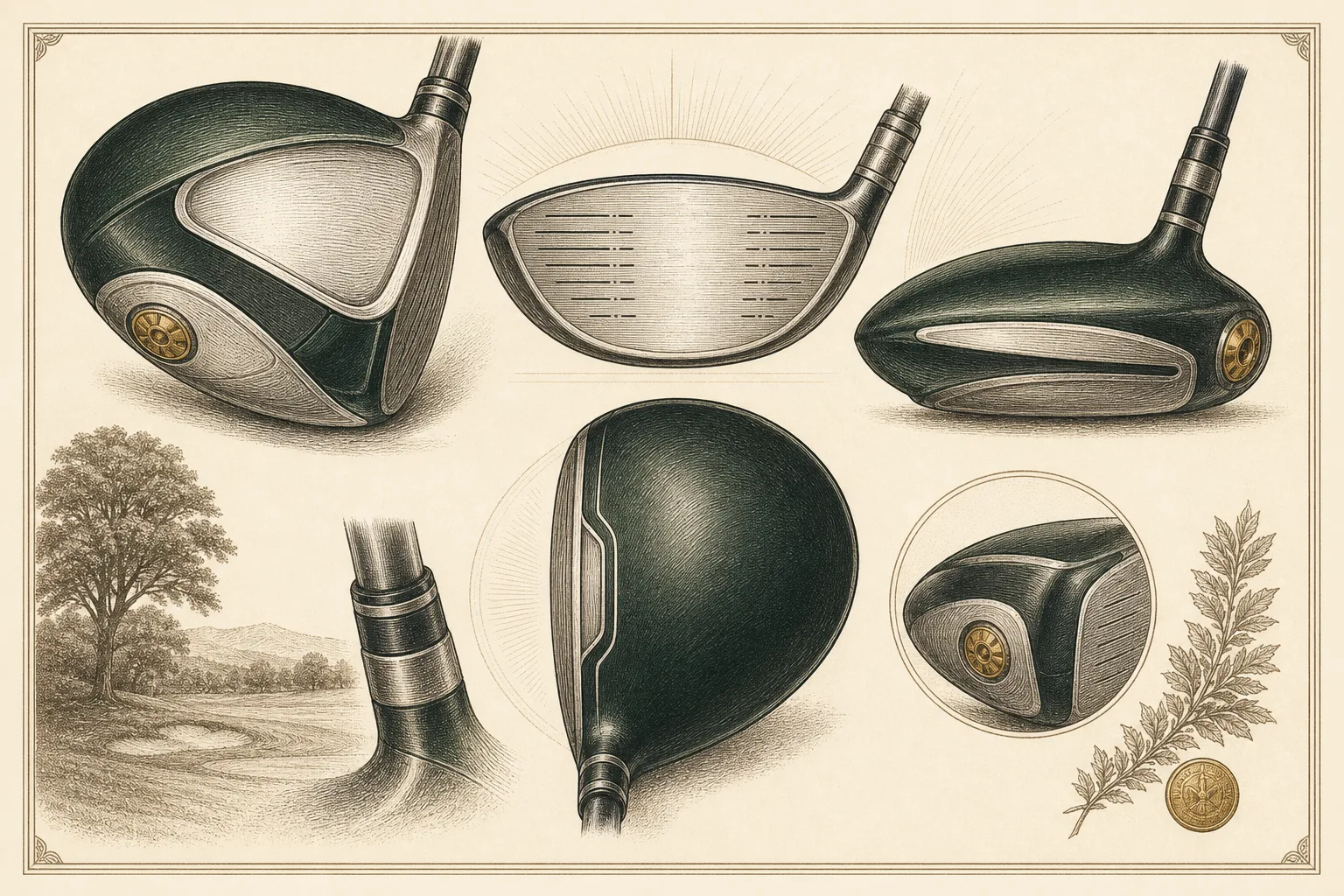
Marketed as the Insight XTD a3OS, this driver targeted slower-swing-speed players and golfers fighting a slice, using Boxer Technology — mass pushed away from the face and into the corners — for high MOI, plus a heel-biased, low center of gravity meant to help square the face at impact. It shipped stock with a lightweight Aldila DVS graphite shaft at 46 inches, longer than standard, to add clubhead speed for players who needed it most. Forum and review feedback described real carry-distance gains for slower swingers, though at the cost of more distance lost on mishits than the marketing implied.
Genuinely distinct engineering approach (heel-biased CG plus Boxer Technology corner-weighting) drew specific enthusiast discussion on ShotTalk and Golf Monthly rather than generic praise, but no lasting used-market premium or tour use puts it below cult-classic status.
Built for a slower-swing-speed player actively fighting a slice who wants help squaring the face; not a fit for a better player wanting workability, since reviewers noted the long stock shaft makes centered strikes harder to repeat.
Competed against other heel-weighted/anti-slice drivers of the mid-2000s like the Callaway Big Bertha Fusion FT and Nike SasQuatch Sumo2; the anti-slice heel-CG concept lives on today in draw-biased drivers like the Callaway Paradym X or TaylorMade Qi10 Max.
The big face and corner-weighted Boxer Technology genuinely resist punishing off-center hits for straight-line direction, per reviewer accounts, but the 46-inch stock length makes center-face contact harder to repeat, costing distance on toe/heel misses specifically.
Calibrated across the whole catalog — a tour blade scores low here on purpose; it means control, not ease.
Used A3OS/Insight XTD a3OS drivers run roughly $30-$50 today — modest value reflecting its niche anti-slice positioning rather than broad collector or performance demand.
Reading is one thing — hitting is another. Book a bay and see the numbers for yourself before you buy anywhere.
Marketed as the Insight XTD a3OS, this driver targeted slower-swing-speed players and golfers fighting a slice, using Boxer Technology — mass pushed away from the face and into the corners — for high MOI, plus a heel-biased, low center of gravity meant to help square the face at impact. It shipped stock with a lightweight Aldila DVS graphite shaft at 46 inches, longer than standard, to add clubhead speed for players who needed it most. Forum and review feedback described real carry-distance gains for slower swingers, though at the cost of more distance lost on mishits than the marketing implied.
Genuinely distinct engineering approach (heel-biased CG plus Boxer Technology corner-weighting) drew specific enthusiast discussion on ShotTalk and Golf Monthly rather than generic praise, but no lasting used-market premium or tour use puts it below cult-classic status.
Built for a slower-swing-speed player actively fighting a slice who wants help squaring the face; not a fit for a better player wanting workability, since reviewers noted the long stock shaft makes centered strikes harder to repeat.
Competed against other heel-weighted/anti-slice drivers of the mid-2000s like the Callaway Big Bertha Fusion FT and Nike SasQuatch Sumo2; the anti-slice heel-CG concept lives on today in draw-biased drivers like the Callaway Paradym X or TaylorMade Qi10 Max.
The big face and corner-weighted Boxer Technology genuinely resist punishing off-center hits for straight-line direction, per reviewer accounts, but the 46-inch stock length makes center-face contact harder to repeat, costing distance on toe/heel misses specifically.
Calibrated across the whole catalog — a tour blade scores low here on purpose; it means control, not ease.
Used A3OS/Insight XTD a3OS drivers run roughly $30-$50 today — modest value reflecting its niche anti-slice positioning rather than broad collector or performance demand.
Reading is one thing — hitting is another. Book a bay and see the numbers for yourself before you buy anywhere.