“Adjustable standard driver; Fast 12 LS was the lower-spin build. Set launch with the hosel before reaching for a new head.”
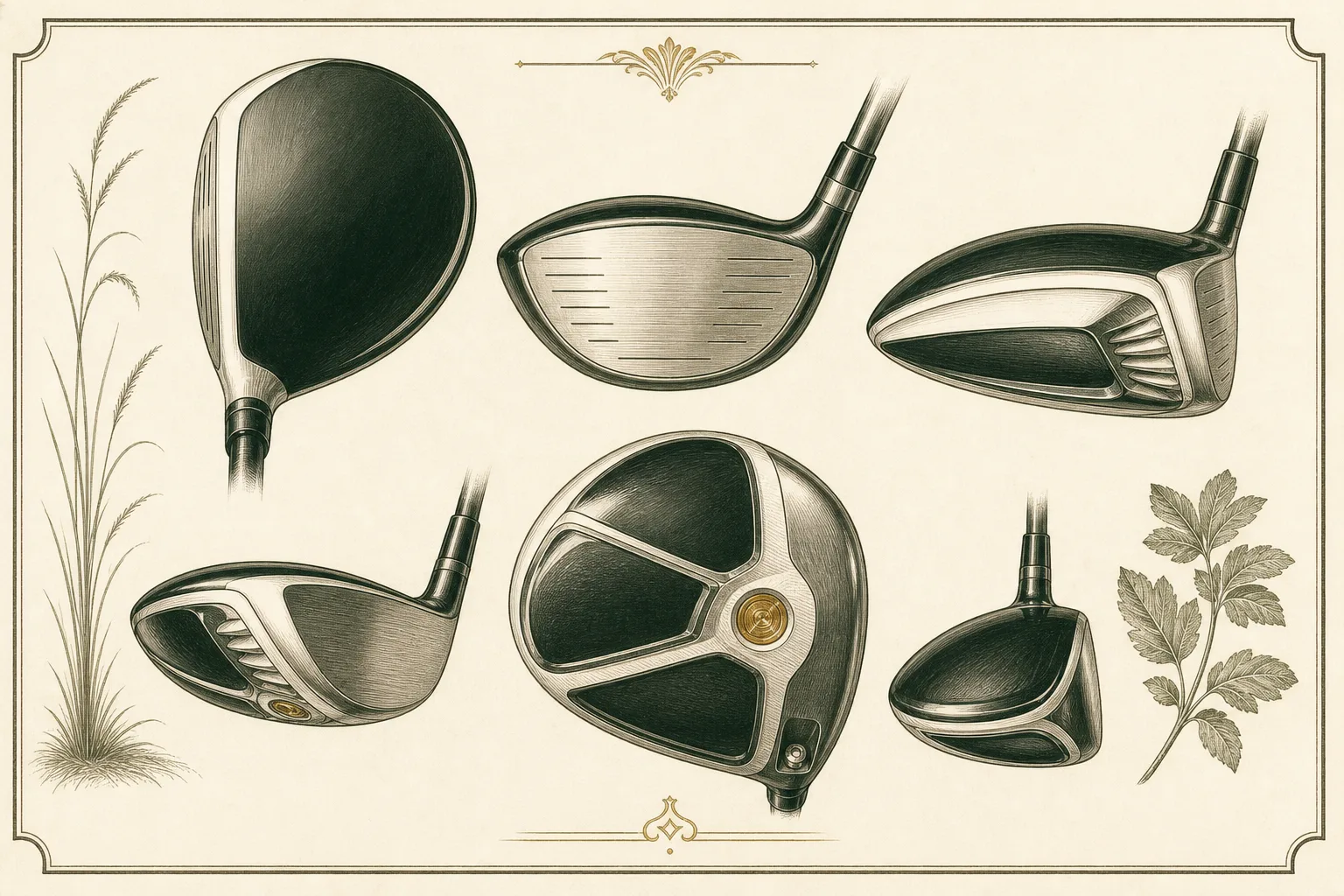
The Fast 12 was Adams Golf's entry into the aerodynamics-obsessed driver era of the early 2010s, when Nike's Covert and other rivals were selling clubhead speed gains through drag reduction rather than just forgiveness. Adams' Airfoil Design carved contour lines into the 460cc crown to cut drag by a claimed 14%, promising up to 3 mph more clubhead speed for the same swing. The line-topping Fast 12 LS added length, lie, and face-angle adjustability — an unusual combination for the category at the time — aimed at better players who wanted the speed gain without giving up tunability.
Real technological positioning in the same aerodynamics conversation as Nike's Covert and TaylorMade's SLDR era, with genuine forum discussion (MyGolfSpy, GolfWRX) of the LS model's adjustability, but no lasting used-market premium or tour-bag longevity that would justify calling it a cult classic.
Good fit for a mid-handicap player who swings fast enough to feel the aero benefit and likes the LS model's length/lie/face-angle tuning; not the pick for someone who dislikes the visible aero contour lines and silver finish, which some reviewers flagged as dated-looking even at launch.
Competed directly with Nike's Covert/Covert 2.0 and Cobra's AMP Cell in the 2012-2013 aerodynamics push; the whole 'drag reduction' driver trend faded within a few years as adjustable-weight and forged-face tech took over, making today's equivalent something like a Callaway Paradym or TaylorMade Qi10.
Adams claimed a roughly 10% forgiveness increase from the drag-reduction shaping and perimeter mass, and reviewers praised feel/control on off-center strikes, but it sits mid-pack compared to true super-game-improvement 460cc heads of the same period.
Calibrated across the whole catalog — a tour blade scores low here on purpose; it means control, not ease.
Used Fast 12 heads run roughly $30-$60 depending on shaft and condition — cheap, plentiful, no collector premium, reflecting a mid-tier design that never became a sought-after used club.
Reading is one thing — hitting is another. Book a bay and see the numbers for yourself before you buy anywhere.
“Adjustable standard driver; Fast 12 LS was the lower-spin build. Set launch with the hosel before reaching for a new head.”
The Fast 12 was Adams Golf's entry into the aerodynamics-obsessed driver era of the early 2010s, when Nike's Covert and other rivals were selling clubhead speed gains through drag reduction rather than just forgiveness. Adams' Airfoil Design carved contour lines into the 460cc crown to cut drag by a claimed 14%, promising up to 3 mph more clubhead speed for the same swing. The line-topping Fast 12 LS added length, lie, and face-angle adjustability — an unusual combination for the category at the time — aimed at better players who wanted the speed gain without giving up tunability.
Real technological positioning in the same aerodynamics conversation as Nike's Covert and TaylorMade's SLDR era, with genuine forum discussion (MyGolfSpy, GolfWRX) of the LS model's adjustability, but no lasting used-market premium or tour-bag longevity that would justify calling it a cult classic.
Good fit for a mid-handicap player who swings fast enough to feel the aero benefit and likes the LS model's length/lie/face-angle tuning; not the pick for someone who dislikes the visible aero contour lines and silver finish, which some reviewers flagged as dated-looking even at launch.
Competed directly with Nike's Covert/Covert 2.0 and Cobra's AMP Cell in the 2012-2013 aerodynamics push; the whole 'drag reduction' driver trend faded within a few years as adjustable-weight and forged-face tech took over, making today's equivalent something like a Callaway Paradym or TaylorMade Qi10.
Adams claimed a roughly 10% forgiveness increase from the drag-reduction shaping and perimeter mass, and reviewers praised feel/control on off-center strikes, but it sits mid-pack compared to true super-game-improvement 460cc heads of the same period.
Calibrated across the whole catalog — a tour blade scores low here on purpose; it means control, not ease.
Used Fast 12 heads run roughly $30-$60 depending on shaft and condition — cheap, plentiful, no collector premium, reflecting a mid-tier design that never became a sought-after used club.
Reading is one thing — hitting is another. Book a bay and see the numbers for yourself before you buy anywhere.