“A pure tour muscleback from the mid-2000s -- soft 1025 carbon steel, zero cavity forgiveness. Rung-4 only; the honest recommendation for anyone without real, sustained center-strike numbers is to stay away.”
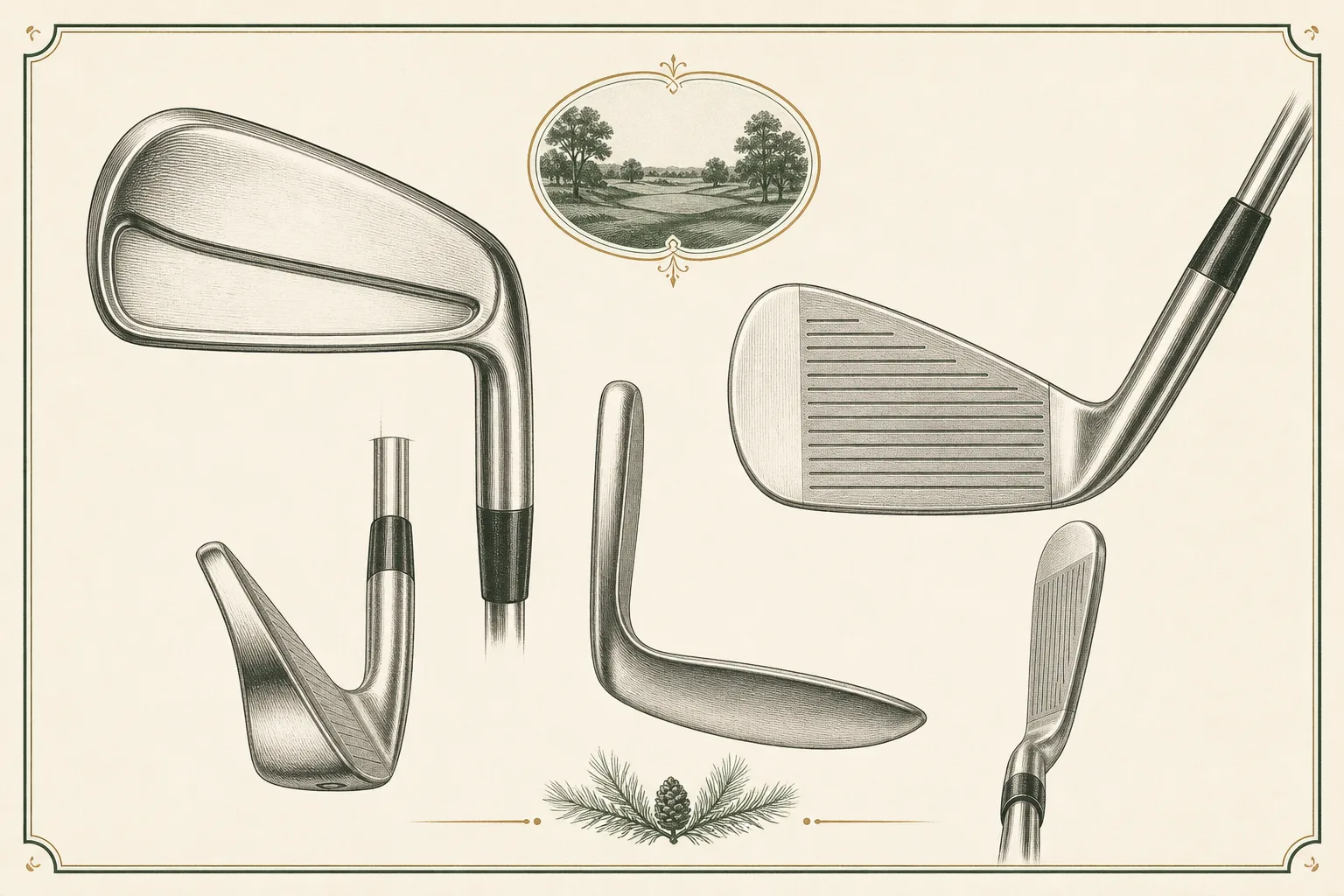
The 690.MB was Titleist's mid-2000s pure muscleback, one-piece forged from soft carbon steel with a longer, deeper blade and the muscle pad moved lower in the back to promote a slightly higher launch than older blades like the 680/681. It is a tour and low-handicap staple of the period: reviewers and Titleist's own materials describe a progressive weighting scheme (more weight low and deep in the long irons) that gives it a touch more stability than a purely flat blade, while still delivering the thin-topline, minimal-offset look and buttery forged feedback that dedicated ball-strikers want. It was directly succeeded by the Z-Muscle-design 695.MB in 2006.
Very strong, sustained owner satisfaction (4.4/5 across 112 golfreview.com reviews) and ongoing dedicated forum threads (Golf Monthly's 'Titleist 690 mb's', Team Titleist's model-comparison threads) show a real enthusiast following, but no single documented tour-legend story or scarcity narrative of its own separates it from being simply a well-loved, well-built blade of its generation.
Tour players and low handicaps (roughly scratch to 5) who want maximum workability and forged feel with a marginally friendlier launch than a flatter blade. Not appropriate for mid-to-high handicaps chasing forgiveness or distance.
Launched alongside the 690.CB cavity as Titleist's mid-2000s forged pairing, going head-to-head with Mizuno's MP-14/MP-32 blades. Succeeded in 2006 by the 695.MB, which introduced the Z-Muscle heel-weight-removal design.
Reviewers note a 'slightly larger sweet spot' than older pure blades thanks to progressive weighting, but this is a relative claim within the blade category — it remains a compact, thin-soled muscleback with minimal offset that punishes off-center strikes in both distance and direction. Best treated as a standard low-forgiveness blade, not a forgiving iron.
Calibrated across the whole catalog — a tour blade scores low here on purpose; it means control, not ease.
Wide price spread reflecting condition and shaft variance: eBay listings range from single-digit prices for rough single clubs up toward $900+ for pristine, premium-shafted (X100, Project X) full sets, with a realistic private-party average for a clean playable set in the $200-$350 band. No meaningful collector premium beyond shaft/condition.
The Legends Rack
Tour blades with Tiger-adjacent lineage (the 681 design family is what he played before Nike). Small, sharp, spectacular. Who'll love it: single-digits who want to feel what tour irons demanded.
Who it suitsBetter players
Reading is one thing — hitting is another. Book a bay and see the numbers for yourself before you buy anywhere.
“A pure tour muscleback from the mid-2000s -- soft 1025 carbon steel, zero cavity forgiveness. Rung-4 only; the honest recommendation for anyone without real, sustained center-strike numbers is to stay away.”
The 690.MB was Titleist's mid-2000s pure muscleback, one-piece forged from soft carbon steel with a longer, deeper blade and the muscle pad moved lower in the back to promote a slightly higher launch than older blades like the 680/681. It is a tour and low-handicap staple of the period: reviewers and Titleist's own materials describe a progressive weighting scheme (more weight low and deep in the long irons) that gives it a touch more stability than a purely flat blade, while still delivering the thin-topline, minimal-offset look and buttery forged feedback that dedicated ball-strikers want. It was directly succeeded by the Z-Muscle-design 695.MB in 2006.
Very strong, sustained owner satisfaction (4.4/5 across 112 golfreview.com reviews) and ongoing dedicated forum threads (Golf Monthly's 'Titleist 690 mb's', Team Titleist's model-comparison threads) show a real enthusiast following, but no single documented tour-legend story or scarcity narrative of its own separates it from being simply a well-loved, well-built blade of its generation.
Tour players and low handicaps (roughly scratch to 5) who want maximum workability and forged feel with a marginally friendlier launch than a flatter blade. Not appropriate for mid-to-high handicaps chasing forgiveness or distance.
Launched alongside the 690.CB cavity as Titleist's mid-2000s forged pairing, going head-to-head with Mizuno's MP-14/MP-32 blades. Succeeded in 2006 by the 695.MB, which introduced the Z-Muscle heel-weight-removal design.
Reviewers note a 'slightly larger sweet spot' than older pure blades thanks to progressive weighting, but this is a relative claim within the blade category — it remains a compact, thin-soled muscleback with minimal offset that punishes off-center strikes in both distance and direction. Best treated as a standard low-forgiveness blade, not a forgiving iron.
Calibrated across the whole catalog — a tour blade scores low here on purpose; it means control, not ease.
Wide price spread reflecting condition and shaft variance: eBay listings range from single-digit prices for rough single clubs up toward $900+ for pristine, premium-shafted (X100, Project X) full sets, with a realistic private-party average for a clean playable set in the $200-$350 band. No meaningful collector premium beyond shaft/condition.
The Legends Rack
Tour blades with Tiger-adjacent lineage (the 681 design family is what he played before Nike). Small, sharp, spectacular. Who'll love it: single-digits who want to feel what tour irons demanded.
Who it suitsBetter players
Reading is one thing — hitting is another. Book a bay and see the numbers for yourself before you buy anywhere.