“A rung-3 tour-style wedge with a milled face and a variable-bounce sole that trims bounce at heel and toe for versatility. Soft feel typical of the J-series. Cheap used and a fine gap filler for a shotmaker.”
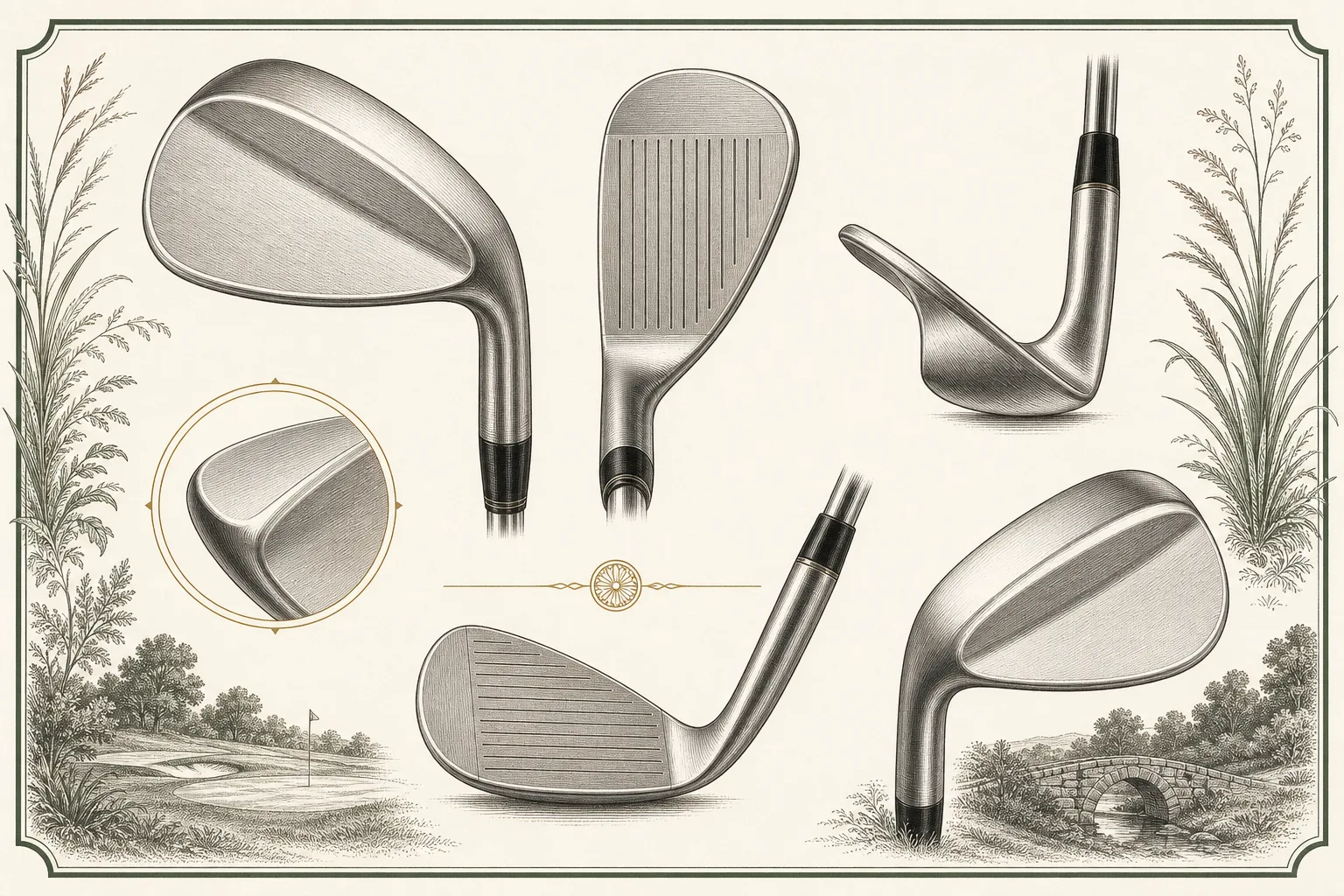
The J40 was Bridgestone's tour-style wedge answer in the J-series, forged from 8620 carbon steel for the soft, dense feel the brand built its iron reputation on. Its two headline features were a machine-milled face for added spin and Variable Bounce Technology — a sole grind that trims bounce specifically at the heel and toe while keeping more under the center, so the same wedge slides cleanly through tight lies and still resists digging from sand. It shipped in Satin Chrome (bright, classic look) and Black Oxide finishes, priced modestly against Titleist Vokey and Cleveland's tour offerings of the same era.
Launch reviews from MyGolfSpy, GolfWRX and The Hackers Paradise were genuinely positive on turf feel and spin, but that praise never calcified into an enduring following — there is no active resale premium, no forum nostalgia threads, and no notable tour pedigree independent of Bridgestone's own J-series lineup. It is a well-engineered, forgotten commodity wedge, not a cult pick.
Golfers who already have wedge feel and want a versatile, budget-friendly grind that works from fairway, rough and light sand without carrying multiple bounce options. Not a fit for a beginner who needs forgiveness on full swings — a wider-sole game-improvement wedge will bail out heavy or thin strikes more reliably.
Launched in 2011 against Titleist's Vokey SM5-era wedges, Cleveland CG15/RTX, and TaylorMade's ATV — all chasing the same tour-wedge-for-the-masses positioning. Bridgestone continued the J-series wedge concept into later Tour B lines; a modern equivalent within Bridgestone's own catalog is the Tour B XW-1/XZ wedge family.
A 4 is high for a wedge, which as a category tops out low — thin, small-sole tour-style heads punish off-center strikes by design. The Variable Bounce sole (low bounce at heel/toe, more under center) genuinely widens the range of lies and swing types it handles cleanly versus a single-bounce wedge, which is the source of the above-baseline score, but it is still a compact forged head with a small effective hitting area.
Calibrated across the whole catalog — a tour blade scores low here on purpose; it means control, not ease.
Realistic 2026 private-party pricing is low, roughly $20–$70 depending on loft, wear and shaft — eBay listings for used J40 Satin Chrome wedges commonly land in the $20–$45 band, with SidelineSwap listings around $60 for cleaner examples. It has not held or appreciated in value; like most commodity wedges it is worth only what spin and grind it still has left.
Reading is one thing — hitting is another. Book a bay and see the numbers for yourself before you buy anywhere.
“A rung-3 tour-style wedge with a milled face and a variable-bounce sole that trims bounce at heel and toe for versatility. Soft feel typical of the J-series. Cheap used and a fine gap filler for a shotmaker.”
The J40 was Bridgestone's tour-style wedge answer in the J-series, forged from 8620 carbon steel for the soft, dense feel the brand built its iron reputation on. Its two headline features were a machine-milled face for added spin and Variable Bounce Technology — a sole grind that trims bounce specifically at the heel and toe while keeping more under the center, so the same wedge slides cleanly through tight lies and still resists digging from sand. It shipped in Satin Chrome (bright, classic look) and Black Oxide finishes, priced modestly against Titleist Vokey and Cleveland's tour offerings of the same era.
Launch reviews from MyGolfSpy, GolfWRX and The Hackers Paradise were genuinely positive on turf feel and spin, but that praise never calcified into an enduring following — there is no active resale premium, no forum nostalgia threads, and no notable tour pedigree independent of Bridgestone's own J-series lineup. It is a well-engineered, forgotten commodity wedge, not a cult pick.
Golfers who already have wedge feel and want a versatile, budget-friendly grind that works from fairway, rough and light sand without carrying multiple bounce options. Not a fit for a beginner who needs forgiveness on full swings — a wider-sole game-improvement wedge will bail out heavy or thin strikes more reliably.
Launched in 2011 against Titleist's Vokey SM5-era wedges, Cleveland CG15/RTX, and TaylorMade's ATV — all chasing the same tour-wedge-for-the-masses positioning. Bridgestone continued the J-series wedge concept into later Tour B lines; a modern equivalent within Bridgestone's own catalog is the Tour B XW-1/XZ wedge family.
A 4 is high for a wedge, which as a category tops out low — thin, small-sole tour-style heads punish off-center strikes by design. The Variable Bounce sole (low bounce at heel/toe, more under center) genuinely widens the range of lies and swing types it handles cleanly versus a single-bounce wedge, which is the source of the above-baseline score, but it is still a compact forged head with a small effective hitting area.
Calibrated across the whole catalog — a tour blade scores low here on purpose; it means control, not ease.
Realistic 2026 private-party pricing is low, roughly $20–$70 depending on loft, wear and shaft — eBay listings for used J40 Satin Chrome wedges commonly land in the $20–$45 band, with SidelineSwap listings around $60 for cleaner examples. It has not held or appreciated in value; like most commodity wedges it is worth only what spin and grind it still has left.
Reading is one thing — hitting is another. Book a bay and see the numbers for yourself before you buy anywhere.