“Iterates the Dolphin wide-sole formula with a lob option added. Still all about anti-dig bounce and easy bunker escapes for the improving player. A super-game-improvement, full-face wedge, one of the most forgiving greenside tools in this price band.”
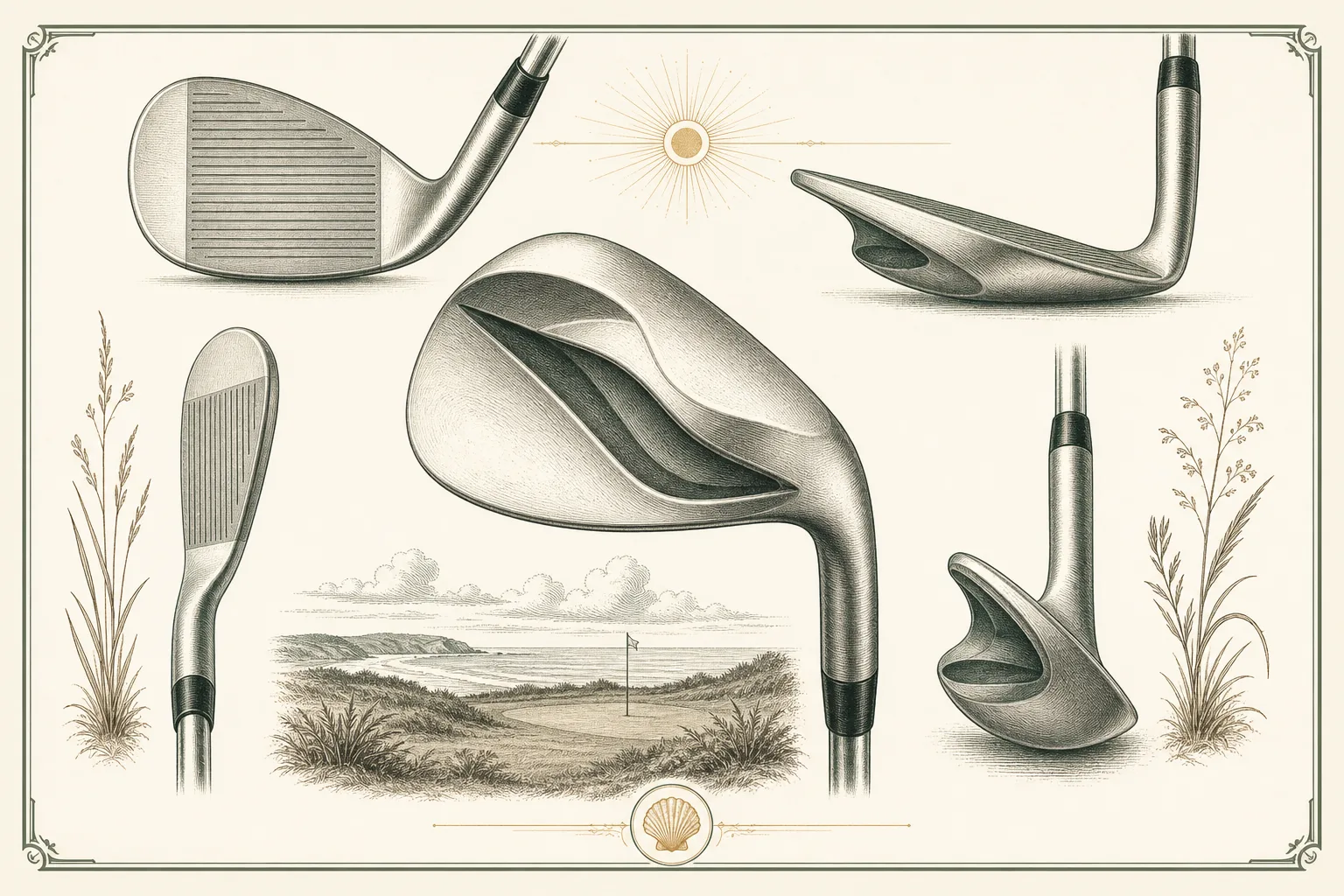
Kasco built its Dolphin Wedge line around a single, narrow design brief: 'a wedge that can easily escape from the bunker,' pursuing a sole shape purpose-built to glide through sand rather than dig. The DW-115 generation carried that formula forward with a semi-gooseneck hosel option -- setting the leading edge roughly 2mm back from a straight-neck version for easier ball-catching around the green -- on top of the line's signature wide, cast, high-bounce sole. Kasco itself is a much older company than the Dolphin name suggests: founded in 1959 making formal then athletic gloves, it entered golf gloves in 1964, took the Kasco name (short for Kamatari Sports Company) in 1972, and didn't sell its own golf clubs until 1992, later becoming an early mover in utility/hybrid clubs from 1999 before building out its bunker-focused wedge line.
The Dolphin line has a loyal following inside Japan's domestic golf market as a bunker-escape specialist, but the DW-115 specifically is one iteration in a long-running, regularly-updated model line (DW-113 through DW-125G and beyond) with no standalone tour story or Western collector reputation -- it is a functional, inexpensive JDM bunker tool, not a sought-after model.
Improving players and higher handicaps who struggle specifically with bunker shots and want a dedicated, wide-soled escape tool rather than a single all-purpose wedge; a low-handicap player who already controls bounce and attack angle through the sand gets less benefit from the specialized sole.
Part of Kasco's long-running Dolphin wedge line (predecessors and successors spanning DW-113 through the DW-125G and beyond), aimed at Japan's domestic game-improvement wedge buyer rather than competing directly with tour-oriented Western wedges like Vokey or Cleveland's CBX line of the same period.
Purpose-built for forgiveness in one specific situation: Kasco's own testing claims a 91% bunker-escape success rate versus conventional sand wedges, roughly 20 points better, credited to the wide, cast 'anti-dig' sole. That forgiveness is bunker- and turf-interaction-focused rather than a claim about forgiveness on full-swing mis-hits generally.
Calibrated across the whole catalog — a tour blade scores low here on purpose; it means control, not ease.
MSRP was around $100. As a lower-tier JDM commodity wedge with a long, still-active successor line (DW-118 through DW-125G and beyond), used DW-115/DW-115G heads sell cheaply: GOLF Partner USA's current listings show used units in roughly the $18-42 range depending on loft and shaft, reflecting both its low original price point and a market flooded with newer Dolphin generations.
Reading is one thing — hitting is another. Book a bay and see the numbers for yourself before you buy anywhere.
“Iterates the Dolphin wide-sole formula with a lob option added. Still all about anti-dig bounce and easy bunker escapes for the improving player. A super-game-improvement, full-face wedge, one of the most forgiving greenside tools in this price band.”
Kasco built its Dolphin Wedge line around a single, narrow design brief: 'a wedge that can easily escape from the bunker,' pursuing a sole shape purpose-built to glide through sand rather than dig. The DW-115 generation carried that formula forward with a semi-gooseneck hosel option -- setting the leading edge roughly 2mm back from a straight-neck version for easier ball-catching around the green -- on top of the line's signature wide, cast, high-bounce sole. Kasco itself is a much older company than the Dolphin name suggests: founded in 1959 making formal then athletic gloves, it entered golf gloves in 1964, took the Kasco name (short for Kamatari Sports Company) in 1972, and didn't sell its own golf clubs until 1992, later becoming an early mover in utility/hybrid clubs from 1999 before building out its bunker-focused wedge line.
The Dolphin line has a loyal following inside Japan's domestic golf market as a bunker-escape specialist, but the DW-115 specifically is one iteration in a long-running, regularly-updated model line (DW-113 through DW-125G and beyond) with no standalone tour story or Western collector reputation -- it is a functional, inexpensive JDM bunker tool, not a sought-after model.
Improving players and higher handicaps who struggle specifically with bunker shots and want a dedicated, wide-soled escape tool rather than a single all-purpose wedge; a low-handicap player who already controls bounce and attack angle through the sand gets less benefit from the specialized sole.
Part of Kasco's long-running Dolphin wedge line (predecessors and successors spanning DW-113 through the DW-125G and beyond), aimed at Japan's domestic game-improvement wedge buyer rather than competing directly with tour-oriented Western wedges like Vokey or Cleveland's CBX line of the same period.
Purpose-built for forgiveness in one specific situation: Kasco's own testing claims a 91% bunker-escape success rate versus conventional sand wedges, roughly 20 points better, credited to the wide, cast 'anti-dig' sole. That forgiveness is bunker- and turf-interaction-focused rather than a claim about forgiveness on full-swing mis-hits generally.
Calibrated across the whole catalog — a tour blade scores low here on purpose; it means control, not ease.
MSRP was around $100. As a lower-tier JDM commodity wedge with a long, still-active successor line (DW-118 through DW-125G and beyond), used DW-115/DW-115G heads sell cheaply: GOLF Partner USA's current listings show used units in roughly the $18-42 range depending on loft and shaft, reflecting both its low original price point and a market flooded with newer Dolphin generations.
Reading is one thing — hitting is another. Book a bay and see the numbers for yourself before you buy anywhere.