“Lower-spin, better-player version of the XR 16. Only makes sense for high speed and clean contact.”
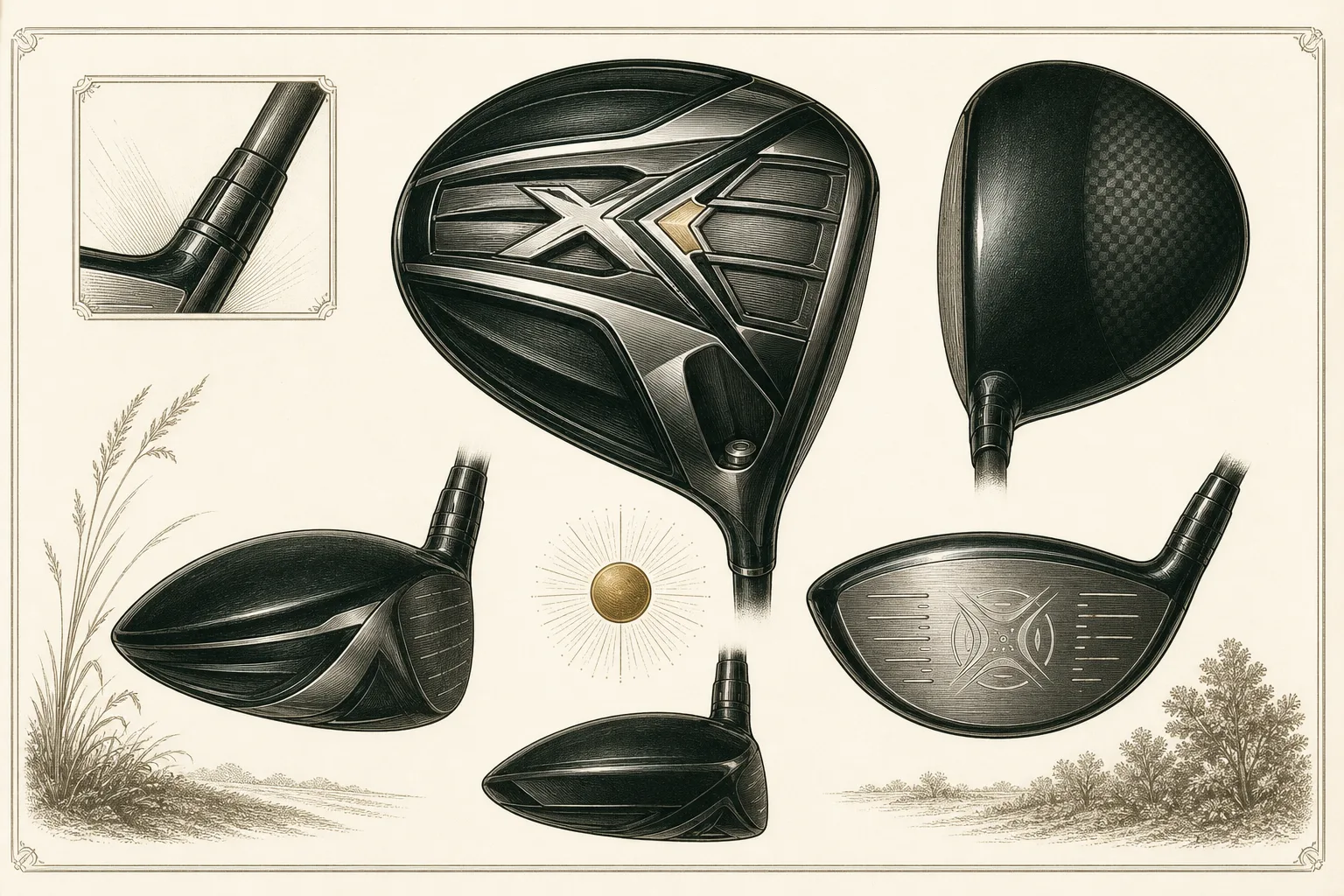
The 2016 replacement in Callaway's annual XR line, aimed at better players chasing lower spin. Callaway worked with Boeing's aerodynamics engineers to reshape the crown and reduce swing drag, and built the Pro head smaller and deeper-faced than the standard XR 16, with CG pushed more forward for a lower, more penetrating flight and a slight fade bias. Stock shaft was the Fujikura Speeder Evolution across S/X flex. Reviewers rated it among the best-feeling and best-sounding Callaway drivers to date, though its relative lack of forgiveness versus rear-CG designs, plus limited adjustability, were the noted tradeoffs. It was superseded within a year by the Jailbreak-technology Epic driver.
Praised in year-of reviews (GolfWRX's 2016 Gear Trials driver analysis, ~4.8-4.9/5 user ratings on Callaway Golf Pre-Owned and Global Golf) as one of the best-feeling/sounding drivers of its class, but it was a one-year model quickly eclipsed by Callaway's Epic/Jailbreak drivers in 2017; no lasting collector or tour-legend narrative attaches to it.
Mid-to-low handicap players with above-average swing speed who want to flight the ball down and shape shots. Not the pick for a golfer who needs help getting the ball airborne - the standard XR 16 serves that player better.
Sat in Callaway's yearly XR refresh between the 2015 XR/XR Pro and the tech-driven 2017 Epic/Epic Sub Zero, which replaced the Boeing aero work with internal 'Jailbreak' bars. Direct rivals at launch were TaylorMade's M1/M2 and Titleist's 915D2.
Deliberately less forgiving than its stablemate standard XR 16 - a smaller, deeper-faced head with a more forward CG for low spin and workability sacrifices some MOI/forgiveness in exchange for shot-shaping control aimed at faster swingers.
Calibrated across the whole catalog — a tour blade scores low here on purpose; it means control, not ease.
Complete driver heads with headcover commonly sell $60-110 private-party in 2026 (eBay/SidelineSwap). Reconditioned-retail listings (2nd Swing-style grading) run higher, $120-180, reflecting warranty/inspection markup rather than realistic private-party value.
Reading is one thing — hitting is another. Book a bay and see the numbers for yourself before you buy anywhere.
“Lower-spin, better-player version of the XR 16. Only makes sense for high speed and clean contact.”
The 2016 replacement in Callaway's annual XR line, aimed at better players chasing lower spin. Callaway worked with Boeing's aerodynamics engineers to reshape the crown and reduce swing drag, and built the Pro head smaller and deeper-faced than the standard XR 16, with CG pushed more forward for a lower, more penetrating flight and a slight fade bias. Stock shaft was the Fujikura Speeder Evolution across S/X flex. Reviewers rated it among the best-feeling and best-sounding Callaway drivers to date, though its relative lack of forgiveness versus rear-CG designs, plus limited adjustability, were the noted tradeoffs. It was superseded within a year by the Jailbreak-technology Epic driver.
Praised in year-of reviews (GolfWRX's 2016 Gear Trials driver analysis, ~4.8-4.9/5 user ratings on Callaway Golf Pre-Owned and Global Golf) as one of the best-feeling/sounding drivers of its class, but it was a one-year model quickly eclipsed by Callaway's Epic/Jailbreak drivers in 2017; no lasting collector or tour-legend narrative attaches to it.
Mid-to-low handicap players with above-average swing speed who want to flight the ball down and shape shots. Not the pick for a golfer who needs help getting the ball airborne - the standard XR 16 serves that player better.
Sat in Callaway's yearly XR refresh between the 2015 XR/XR Pro and the tech-driven 2017 Epic/Epic Sub Zero, which replaced the Boeing aero work with internal 'Jailbreak' bars. Direct rivals at launch were TaylorMade's M1/M2 and Titleist's 915D2.
Deliberately less forgiving than its stablemate standard XR 16 - a smaller, deeper-faced head with a more forward CG for low spin and workability sacrifices some MOI/forgiveness in exchange for shot-shaping control aimed at faster swingers.
Calibrated across the whole catalog — a tour blade scores low here on purpose; it means control, not ease.
Complete driver heads with headcover commonly sell $60-110 private-party in 2026 (eBay/SidelineSwap). Reconditioned-retail listings (2nd Swing-style grading) run higher, $120-180, reflecting warranty/inspection markup rather than realistic private-party value.
Reading is one thing — hitting is another. Book a bay and see the numbers for yourself before you buy anywhere.