“Smaller, lower-launching, lower-spin head for the better player. Fit it only to a fast, centered swing.”
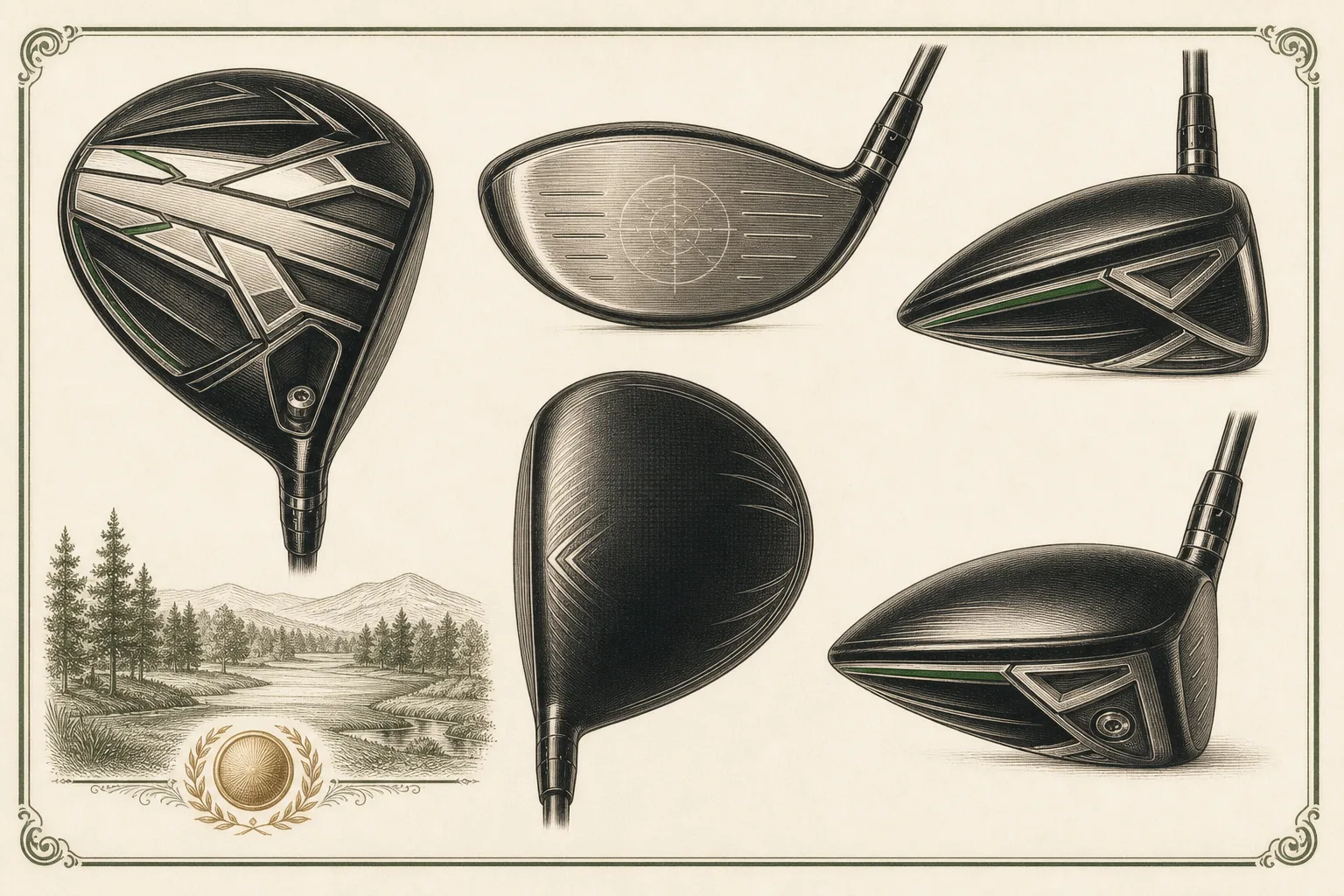
The compact-headed sibling to the standard 2015 XR driver, the XR Pro redistributed weight lower in a 440cc head to launch higher yet spin roughly 600rpm less than the standard XR - in testing, a 9-degree setup produced 108mph clubhead speed, 158.7mph ball speed, 1,851rpm of backspin and 260 yards of carry with 14 extra yards of rollout from the reduced spin. It carried Callaway's R.MOTO face (a 10% face-weight reduction for more efficient ball-speed transfer) and a Speed Step Crown for drag reduction, stock with the Project X HZRDUS shaft in S/X flex only - no forgiving R-flex option, underlining its target of faster swingers. It was voted a 2015 Gear Trials Best Driver and named among the panel's top-7 drivers that year.
Independently recognized in its year - voted a 2015 Gear Trials Best Driver and top-7 finisher on that panel - a genuine, sourced performance credential for a lower-spin players' driver, though it never developed the lasting reverence of a true cult classic and was superseded within a year by the XR 16 Pro.
Low-to-mid handicappers and faster swingers who spin the standard XR driver too high and want a flatter, more penetrating flight with extra rollout. A higher-handicap or slower-swing golfer needing help launching the ball should choose the standard XR instead.
Launched alongside the standard XR as the compact, low-spin half of Callaway's 2015 'Built for Outrageous Speed' driver pairing, competing with TaylorMade's AeroBurner TP and Titleist's 915D3. Replaced in 2016 by the Boeing-informed XR 16 Pro.
Deliberately traded off some forgiveness for lower spin and a more compact, workable 440cc shape versus the standard XR's larger, easier-launching head. Still benefits from R.MOTO face-speed retention across the face, but demands more consistent strikes than the max-forgiveness standard XR.
Calibrated across the whole catalog — a tour blade scores low here on purpose; it means control, not ease.
$50-90 private-party for a clean head with headcover in 2026; readily available given a large original production run and a one-year model life before the XR 16 Pro replaced it.
Reading is one thing — hitting is another. Book a bay and see the numbers for yourself before you buy anywhere.
“Smaller, lower-launching, lower-spin head for the better player. Fit it only to a fast, centered swing.”
The compact-headed sibling to the standard 2015 XR driver, the XR Pro redistributed weight lower in a 440cc head to launch higher yet spin roughly 600rpm less than the standard XR - in testing, a 9-degree setup produced 108mph clubhead speed, 158.7mph ball speed, 1,851rpm of backspin and 260 yards of carry with 14 extra yards of rollout from the reduced spin. It carried Callaway's R.MOTO face (a 10% face-weight reduction for more efficient ball-speed transfer) and a Speed Step Crown for drag reduction, stock with the Project X HZRDUS shaft in S/X flex only - no forgiving R-flex option, underlining its target of faster swingers. It was voted a 2015 Gear Trials Best Driver and named among the panel's top-7 drivers that year.
Independently recognized in its year - voted a 2015 Gear Trials Best Driver and top-7 finisher on that panel - a genuine, sourced performance credential for a lower-spin players' driver, though it never developed the lasting reverence of a true cult classic and was superseded within a year by the XR 16 Pro.
Low-to-mid handicappers and faster swingers who spin the standard XR driver too high and want a flatter, more penetrating flight with extra rollout. A higher-handicap or slower-swing golfer needing help launching the ball should choose the standard XR instead.
Launched alongside the standard XR as the compact, low-spin half of Callaway's 2015 'Built for Outrageous Speed' driver pairing, competing with TaylorMade's AeroBurner TP and Titleist's 915D3. Replaced in 2016 by the Boeing-informed XR 16 Pro.
Deliberately traded off some forgiveness for lower spin and a more compact, workable 440cc shape versus the standard XR's larger, easier-launching head. Still benefits from R.MOTO face-speed retention across the face, but demands more consistent strikes than the max-forgiveness standard XR.
Calibrated across the whole catalog — a tour blade scores low here on purpose; it means control, not ease.
$50-90 private-party for a clean head with headcover in 2026; readily available given a large original production run and a one-year model life before the XR 16 Pro replaced it.
Reading is one thing — hitting is another. Book a bay and see the numbers for yourself before you buy anywhere.