“A standard, versatile fairway wood - rung-2 neutral flight for a repeating swing and a solid gap-filler between driver and irons. Old but honest; buy on price, not hype.”
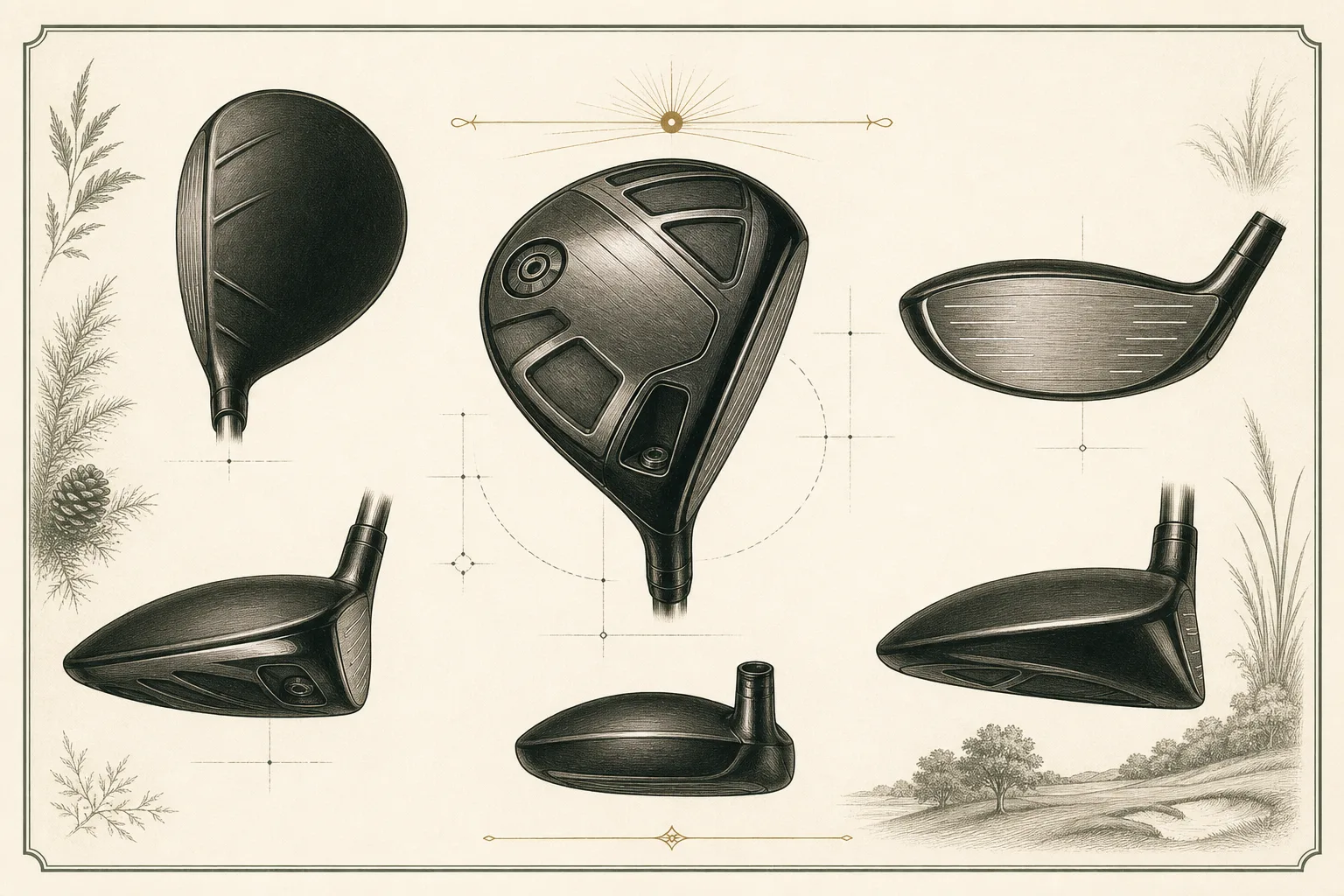
The G25 fairway wood carried what Ping described at the time as the thinnest face it had ever put in a fairway wood, made possible by an extreme variable-thickness-face design that let engineers strip weight from the face and relocate it lower and farther back in the head. Combined with external sole weighting, that gave the G25 the highest MOI of any Ping fairway wood up to that point, while its low-profile crown-to-sole shape kept the CG low for an easy, high launch. It retailed for about $229, came in 3-, 4-, 5- and 7-wood lofts (roughly 15, 16.5, 18 and 21 degrees) on a stock TFC 189F shaft across five flex options, and reviewers called it easy to the point that launching the ball 'feels like cheating.'
A genuinely well-engineered, well-reviewed fairway wood for its year -- named among the best fairway woods of 2013 by multiple outlets -- but it generated no lasting cult following or scarcity; it was superseded by the G30 fairway wood within two years and today is simply a good, affordable used club.
A strong fit for mid-to-high handicappers who want an easy-launching, forgiving fairway wood off the tee or the deck; the higher-than-average MOI also suits golfers who miss the center of the face regularly. Better players seeking a lower, more penetrating flight or more feedback on strike location will find it forgiving to a fault.
Launched in 2013 into a fairway-wood market where Callaway's X Hot and TaylorMade's SLDR/RocketBallz were also chasing thin-face ball speed; the G25 was Ping's answer built on the same design language as its G20 predecessor, and it was replaced by the G30 fairway wood in 2014-2015 as Ping moved to its Turbulator-equipped generation.
The combination of a thinned, extreme-VFT face and external sole weighting gave the G25 Ping's highest fairway-wood MOI to date at launch, translating into a low, back CG that resists twisting on off-center strikes and launches the ball high even from mediocre lies -- reviewers consistently singled out its ease of launch as its standout trait.
Calibrated across the whole catalog — a tour blade scores low here on purpose; it means control, not ease.
Common and cheap in 2026: used G25 fairway woods generally sell in the $50-100 range on eBay, 2nd Swing and Golf Avenue depending on loft and shaft condition, priced as a solid old performer rather than a sought-after piece.
Reading is one thing — hitting is another. Book a bay and see the numbers for yourself before you buy anywhere.
“A standard, versatile fairway wood - rung-2 neutral flight for a repeating swing and a solid gap-filler between driver and irons. Old but honest; buy on price, not hype.”
The G25 fairway wood carried what Ping described at the time as the thinnest face it had ever put in a fairway wood, made possible by an extreme variable-thickness-face design that let engineers strip weight from the face and relocate it lower and farther back in the head. Combined with external sole weighting, that gave the G25 the highest MOI of any Ping fairway wood up to that point, while its low-profile crown-to-sole shape kept the CG low for an easy, high launch. It retailed for about $229, came in 3-, 4-, 5- and 7-wood lofts (roughly 15, 16.5, 18 and 21 degrees) on a stock TFC 189F shaft across five flex options, and reviewers called it easy to the point that launching the ball 'feels like cheating.'
A genuinely well-engineered, well-reviewed fairway wood for its year -- named among the best fairway woods of 2013 by multiple outlets -- but it generated no lasting cult following or scarcity; it was superseded by the G30 fairway wood within two years and today is simply a good, affordable used club.
A strong fit for mid-to-high handicappers who want an easy-launching, forgiving fairway wood off the tee or the deck; the higher-than-average MOI also suits golfers who miss the center of the face regularly. Better players seeking a lower, more penetrating flight or more feedback on strike location will find it forgiving to a fault.
Launched in 2013 into a fairway-wood market where Callaway's X Hot and TaylorMade's SLDR/RocketBallz were also chasing thin-face ball speed; the G25 was Ping's answer built on the same design language as its G20 predecessor, and it was replaced by the G30 fairway wood in 2014-2015 as Ping moved to its Turbulator-equipped generation.
The combination of a thinned, extreme-VFT face and external sole weighting gave the G25 Ping's highest fairway-wood MOI to date at launch, translating into a low, back CG that resists twisting on off-center strikes and launches the ball high even from mediocre lies -- reviewers consistently singled out its ease of launch as its standout trait.
Calibrated across the whole catalog — a tour blade scores low here on purpose; it means control, not ease.
Common and cheap in 2026: used G25 fairway woods generally sell in the $50-100 range on eBay, 2nd Swing and Golf Avenue depending on loft and shaft condition, priced as a solid old performer rather than a sought-after piece.
Reading is one thing — hitting is another. Book a bay and see the numbers for yourself before you buy anywhere.