“The grandfather of the G-series and still a fine rung-1 driver for a slower swing. Old but honest; if it's in your bag and launching, there's nothing to fix.”
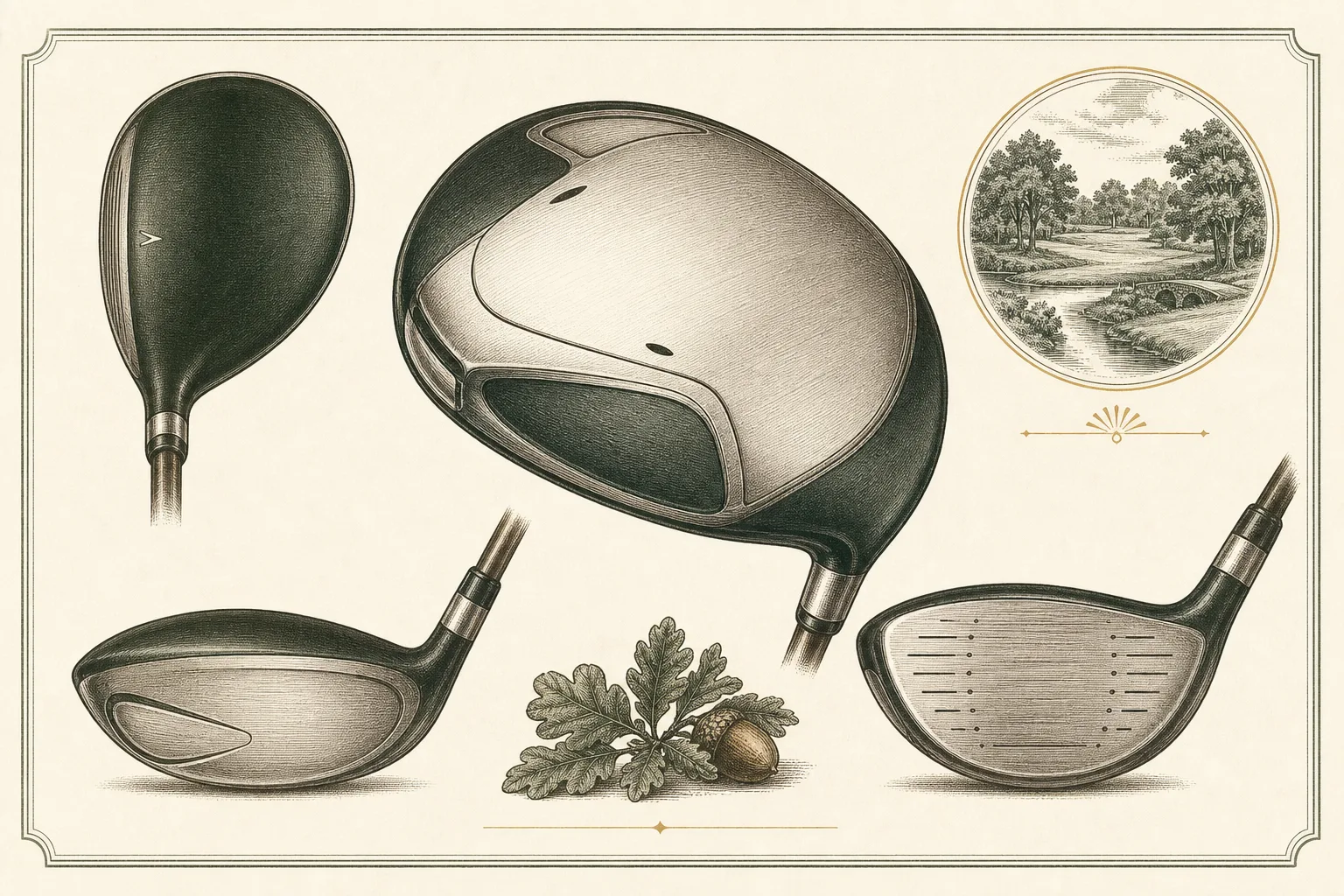
The G2 driver, introduced to Ping's tour staff in July 2004, was the company's first driver built to the USGA's full 460cc limit - not a given in 2004, when many rivals still played it safer on size. Its titanium head and internal weighting system were tuned to reduce spin and raise launch, and the results showed up immediately: within a month of release Mark Hensby won the PGA Tour's John Deere Classic, D.A. Points won on the Nationwide Tour, and Karen Stupples won the Women's British Open, all gaming the G2, with Ping's own players reporting 10-15 yard distance gains. It effectively launched the modern G-series driver dynasty that Ping still sells descendants of two decades later, making it historically the 'father' of that line even though, as a 20-plus-year-old titanium head, it is now simply an inexpensive, honest used driver.
Its historical significance is well documented and cross-sourced - first Ping driver at the 460cc USGA limit, three professional wins across three different tours within a month of launch, and it is explicitly called the 'father of the G-series driver line' by equipment historians. There is no current collector market or enthusiast hunt for the G2 specifically (it sells for well under $75 used); its importance is historical rather than a live cult.
Slower swing speeds (roughly 70-95 mph) and higher handicaps wanting a simple, forgiving, no-fuss tee club, including the SF Tec draw-bias variant for players fighting a slice. Better players chasing modern ball speeds, adjustability, or low spin for shot-shaping should look at any current driver instead - two full driver generations behind on face and aerodynamic technology.
Launched the modern Ping G-series driver lineage in 2004, immediately followed by the G2 iron set and fairway wood the same year; it went head-to-head with Callaway's ERC Fusion/Great Big Bertha II and TaylorMade's R7 Quad of the same period, and was replaced by the G5 within about a year.
Ping's internal weighting system at the full 460cc size delivered class-leading forgiveness for 2004 - reviewers called it 'extremely forgiving even when you spray golf shots around the face' - but as an early-generation 460cc design (single-material titanium, no movable weights or variable face thickness refinements), it is a notch below the later G15/G20 heads in this same catalog on raw MOI and mis-hit consistency.
Calibrated across the whole catalog — a tour blade scores low here on purpose; it means control, not ease.
Used G2 drivers are now bargain-bin pricing - commonly $45-75 on eBay/SidelineSwap in 2026 for a complete head-and-shaft unit, occasionally less - reflecting 20-plus-year-old titanium technology with strong historical importance but zero collector premium.
The Legends Rack
The quiet forgiveness benchmarks of their era while everyone else chased gimmicks. The G10 in particular won everywhere and complained never. Who'll love it: the play-it-straight crowd; Ping people are lifers for a reason.
Who it suitsAll
Reading is one thing — hitting is another. Book a bay and see the numbers for yourself before you buy anywhere.
“The grandfather of the G-series and still a fine rung-1 driver for a slower swing. Old but honest; if it's in your bag and launching, there's nothing to fix.”
The G2 driver, introduced to Ping's tour staff in July 2004, was the company's first driver built to the USGA's full 460cc limit - not a given in 2004, when many rivals still played it safer on size. Its titanium head and internal weighting system were tuned to reduce spin and raise launch, and the results showed up immediately: within a month of release Mark Hensby won the PGA Tour's John Deere Classic, D.A. Points won on the Nationwide Tour, and Karen Stupples won the Women's British Open, all gaming the G2, with Ping's own players reporting 10-15 yard distance gains. It effectively launched the modern G-series driver dynasty that Ping still sells descendants of two decades later, making it historically the 'father' of that line even though, as a 20-plus-year-old titanium head, it is now simply an inexpensive, honest used driver.
Its historical significance is well documented and cross-sourced - first Ping driver at the 460cc USGA limit, three professional wins across three different tours within a month of launch, and it is explicitly called the 'father of the G-series driver line' by equipment historians. There is no current collector market or enthusiast hunt for the G2 specifically (it sells for well under $75 used); its importance is historical rather than a live cult.
Slower swing speeds (roughly 70-95 mph) and higher handicaps wanting a simple, forgiving, no-fuss tee club, including the SF Tec draw-bias variant for players fighting a slice. Better players chasing modern ball speeds, adjustability, or low spin for shot-shaping should look at any current driver instead - two full driver generations behind on face and aerodynamic technology.
Launched the modern Ping G-series driver lineage in 2004, immediately followed by the G2 iron set and fairway wood the same year; it went head-to-head with Callaway's ERC Fusion/Great Big Bertha II and TaylorMade's R7 Quad of the same period, and was replaced by the G5 within about a year.
Ping's internal weighting system at the full 460cc size delivered class-leading forgiveness for 2004 - reviewers called it 'extremely forgiving even when you spray golf shots around the face' - but as an early-generation 460cc design (single-material titanium, no movable weights or variable face thickness refinements), it is a notch below the later G15/G20 heads in this same catalog on raw MOI and mis-hit consistency.
Calibrated across the whole catalog — a tour blade scores low here on purpose; it means control, not ease.
Used G2 drivers are now bargain-bin pricing - commonly $45-75 on eBay/SidelineSwap in 2026 for a complete head-and-shaft unit, occasionally less - reflecting 20-plus-year-old titanium technology with strong historical importance but zero collector premium.
The Legends Rack
The quiet forgiveness benchmarks of their era while everyone else chased gimmicks. The G10 in particular won everywhere and complained never. Who'll love it: the play-it-straight crowd; Ping people are lifers for a reason.
Who it suitsAll
Reading is one thing — hitting is another. Book a bay and see the numbers for yourself before you buy anywhere.