“Draw-biased, max-forgiveness fairway wood - rung-1 help getting the ball up and turning it over, with no penalty for the forgiveness (R5). Old but honest; buy on price, not hype.”
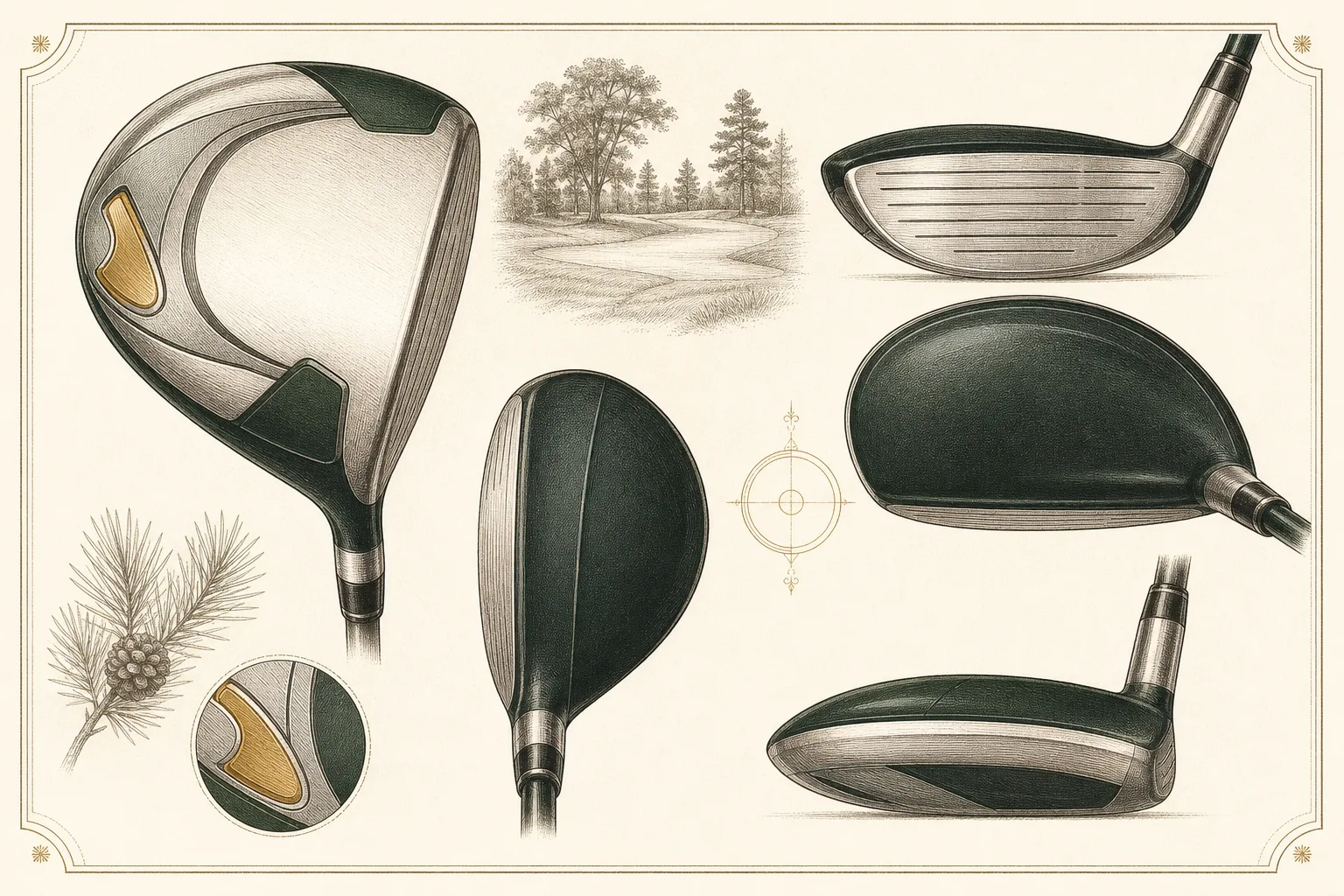
Ping's G10 fairway wood used a crown that meets the sole in a low, shallow profile paired with a long face, a shape built to make the club easy to launch from tee, fairway or rough alike; a sizeable weight pad on the sole pulled the center of gravity low for that easy height. The Draw version repositioned the same discretionary weight -- pulled from the crown, face and hosel -- farther back and closer to the heel to bias the flight right-to-left for players fighting a slice or wanting extra help turning the ball over. It won a Golf Digest Hot List Gold Medal in its category, retailed around $219, and one contemporary reviewer carried a test unit 252 yards off the deck -- a genuinely long number for a fairway wood of that generation.
It was a well-regarded, award-winning fairway wood in its year (Golf Digest Hot List Gold Medal, 4.7/5 across golfreview.com's user base), but that recognition never turned into lasting cult status -- it was replaced by the G15 fairway wood within two years and today is simply a solid, inexpensive used club with no scarcity or tour-legend story attached to it.
Suited to mid-to-high handicappers who struggle to get fairway woods airborne or who slice long clubs, and to anyone wanting a dependable, no-fuss 3-wood or 4-wood substitute for a driver off the tee. Better players chasing workability or a lower, more piercing flight will find the draw bias fights against a fade or a deliberately worked shot.
Released alongside the G10 driver in 2007, when Callaway (Big Bertha Fusion FT), TaylorMade (r7 425) and Titleist were all pushing fairway-wood forgiveness hard; Ping's answer was the same deep-face, low-CG platform as its driver, just scaled down. It gave way to the G15 fairway wood in Ping's next two-year cycle.
The low crown-to-sole profile and rearward sole weighting give it a genuinely low, deep CG that makes it easy to launch from imperfect lies, and the Draw's heel-biased weighting adds shot-shape help without giving up any of that base forgiveness -- reviewers specifically called it easy to hit for players of varying skill levels, not just a specialist's club.
Calibrated across the whole catalog — a tour blade scores low here on purpose; it means control, not ease.
Cheap and easy to find: used G10 Draw fairway woods typically sell for roughly $40-90 in 2026 on marketplaces like 2nd Swing and GolfClubs4Cash, priced as a functional old club rather than a collectible.
Reading is one thing — hitting is another. Book a bay and see the numbers for yourself before you buy anywhere.