“A rung-3 forged wedge in satin or black oxide with a tour tear-drop shape and heat-treated durability. Wide loft range for a full short-game setup. Cheap used and a soft-feeling companion to the J15 irons.”
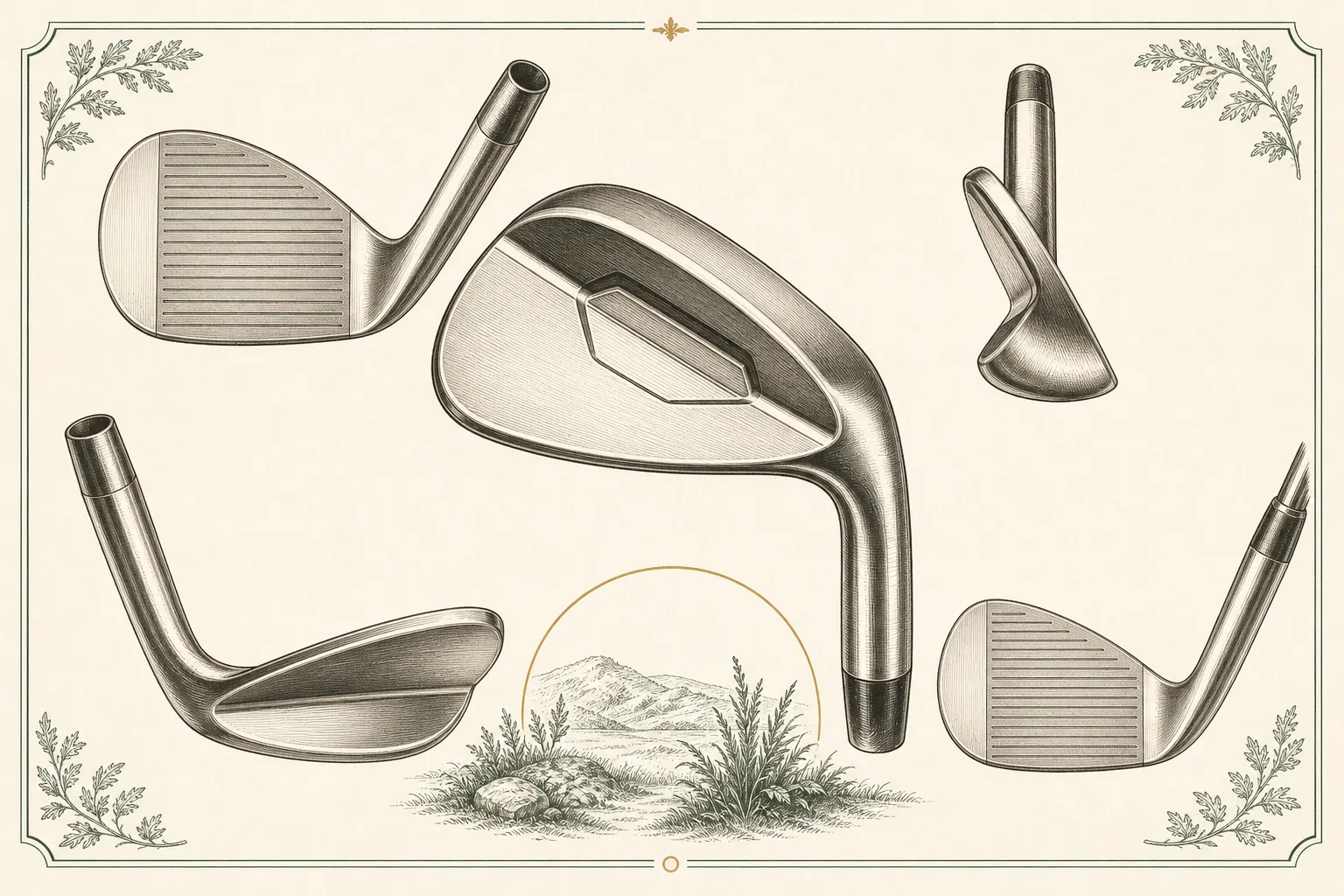
The J15 Forged Wedge paired with Bridgestone's 2015 J15 iron family as the dedicated short-game piece, built with a tour-preferred teardrop head shape in forged carbon steel and finished in either satin chrome or matte black. It carried over the J15 irons' Sure Contact Sole, here reworked to add heel relief so players could open the face for flop and bunker shots, plus grooves engineered with more inner-groove area to channel debris away from the face on partial shots from rough or sand. Reviewers praised the forged feel but flagged two real, specific drawbacks: below-average backspin on full shots compared to rivals, and a stock length that ran about half an inch long for some players — small but concrete gaps against the wedge market's best spin performers of the era.
A well-made, forged tour-shape wedge that reviewers liked but that never generated buzz beyond its own product cycle — no scarcity, no tour-win story, no forum following, just a solid companion piece to the J15 irons that was superseded within a couple of years.
Suited to a skilled short-game player who wants forged feel, a classic teardrop look and the ability to open the face for a variety of shots. A higher-handicap player who struggles with wedge contact would get more consistent results from a wider-sole, more forgiving wedge design.
Launched alongside the J15 irons in 2015, competing with Titleist's Vokey SM6, Cleveland's RTX-3 and Callaway's Mack Daddy 3 — all forged or milled tour-shape wedges of the same period. It filled the short-game slot in Bridgestone's forged lineup before being replaced in later Bridgestone iron generations.
A tour-preferred teardrop shape with a fairly thin topline and compact camber — the Sure Contact Sole's heel relief helps versatility around the green, but this is explicitly a better-player's wedge shape, not a wide-sole game-improvement wedge, and reviewers themselves steered mid-to-high handicappers toward more forgiving alternatives.
Calibrated across the whole catalog — a tour blade scores low here on purpose; it means control, not ease.
As an individual wedge (not a full set), used private-party pricing in 2026 realistically runs about $35–$60 per club depending on grind, finish wear and grip condition, down from roughly $119–130 new — consistent with how quickly single wedges depreciate compared to full iron sets.
Reading is one thing — hitting is another. Book a bay and see the numbers for yourself before you buy anywhere.
“A rung-3 forged wedge in satin or black oxide with a tour tear-drop shape and heat-treated durability. Wide loft range for a full short-game setup. Cheap used and a soft-feeling companion to the J15 irons.”
The J15 Forged Wedge paired with Bridgestone's 2015 J15 iron family as the dedicated short-game piece, built with a tour-preferred teardrop head shape in forged carbon steel and finished in either satin chrome or matte black. It carried over the J15 irons' Sure Contact Sole, here reworked to add heel relief so players could open the face for flop and bunker shots, plus grooves engineered with more inner-groove area to channel debris away from the face on partial shots from rough or sand. Reviewers praised the forged feel but flagged two real, specific drawbacks: below-average backspin on full shots compared to rivals, and a stock length that ran about half an inch long for some players — small but concrete gaps against the wedge market's best spin performers of the era.
A well-made, forged tour-shape wedge that reviewers liked but that never generated buzz beyond its own product cycle — no scarcity, no tour-win story, no forum following, just a solid companion piece to the J15 irons that was superseded within a couple of years.
Suited to a skilled short-game player who wants forged feel, a classic teardrop look and the ability to open the face for a variety of shots. A higher-handicap player who struggles with wedge contact would get more consistent results from a wider-sole, more forgiving wedge design.
Launched alongside the J15 irons in 2015, competing with Titleist's Vokey SM6, Cleveland's RTX-3 and Callaway's Mack Daddy 3 — all forged or milled tour-shape wedges of the same period. It filled the short-game slot in Bridgestone's forged lineup before being replaced in later Bridgestone iron generations.
A tour-preferred teardrop shape with a fairly thin topline and compact camber — the Sure Contact Sole's heel relief helps versatility around the green, but this is explicitly a better-player's wedge shape, not a wide-sole game-improvement wedge, and reviewers themselves steered mid-to-high handicappers toward more forgiving alternatives.
Calibrated across the whole catalog — a tour blade scores low here on purpose; it means control, not ease.
As an individual wedge (not a full set), used private-party pricing in 2026 realistically runs about $35–$60 per club depending on grind, finish wear and grip condition, down from roughly $119–130 new — consistent with how quickly single wedges depreciate compared to full iron sets.
Reading is one thing — hitting is another. Book a bay and see the numbers for yourself before you buy anywhere.