“Third-gen aerodynamic shaping claimed 10% less drag for up to 15 more yards. A standard-rung driver; solid value but a supporting act to Adams' hybrids.”
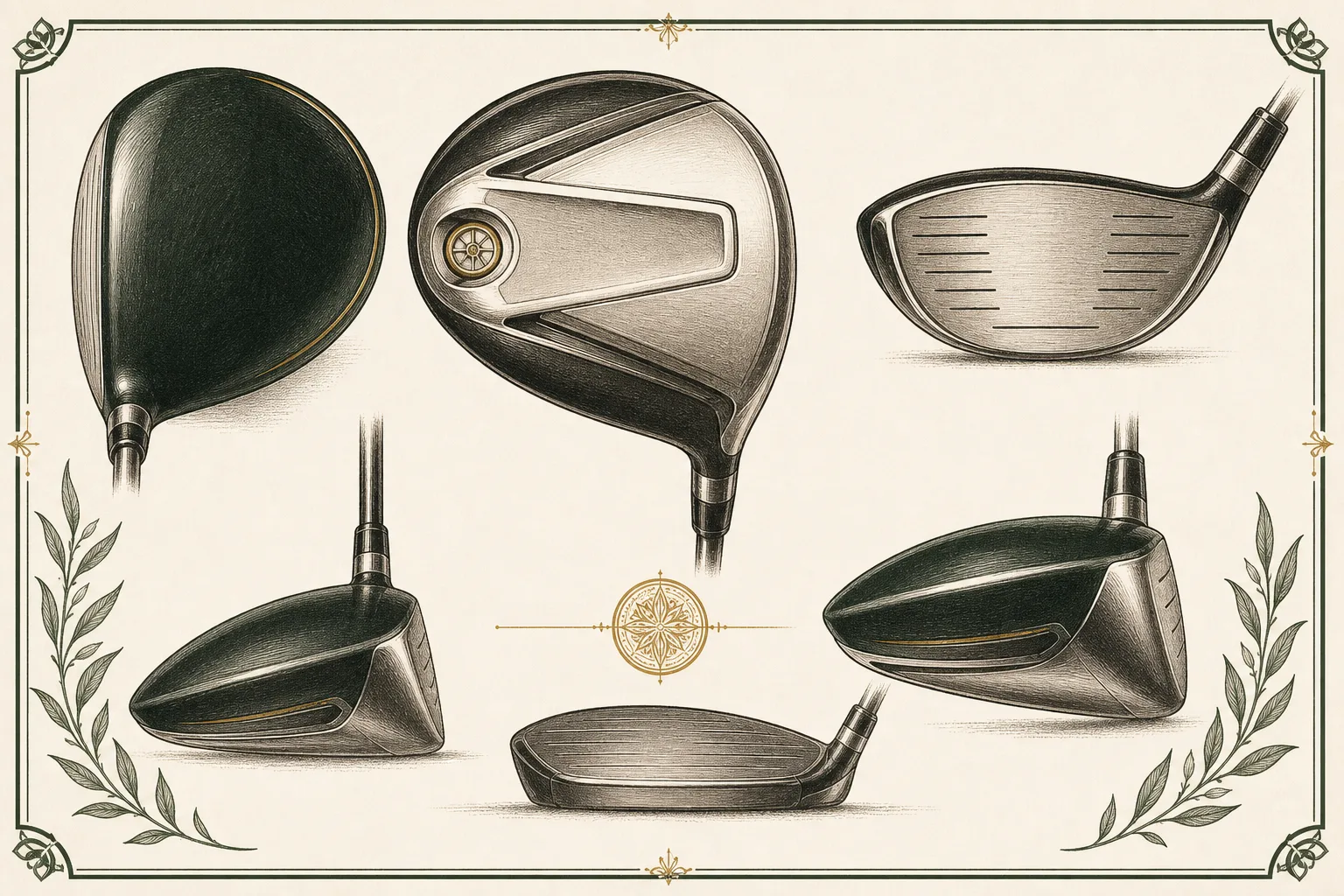
The Fast 10 was the third generation of Adams' aerodynamic-shaping project, built on the premise that reducing drag through the swing — not adding mass or moving weight around — was the more reliable way to add clubhead speed. Adams claimed the third-gen shaping cut drag and airflow turbulence by 10% versus its earlier aero drivers, translating to a claimed (and optimistic) 15 yards of extra carry. It shipped in a 460cc titanium head on an Aldila Wasabi graphite shaft across a wide loft spread (8.5-12.5 degrees), giving it real reach into both better-player and higher-handicap fittings from a single aero platform.
It earned solid, unremarkable period coverage — a 4.1/5 average across golfreview.com's user base and largely positive write-ups from Today's Golfer, MyGolfSpy and THP — but nothing that generated lasting reverence. It was superseded within about a year by the F11 and then the Fast 12 line, and today it's remembered, if at all, as one entry in Adams' now-defunct aero-driver run rather than as a standout in its own right.
A broad-appeal driver for mid-handicap players wanting distance help without sacrificing much forgiveness; the wide 8.5-12.5 degree loft spread let fitters dial in launch for a range of swing speeds off one head. Adams itself claimed a 'get up quick' ball flight rather than a penetrating one — better players wanting a flatter, more piercing trajectory should look at the lower-lofted, lower-spin Fast 12 LS that came a couple of years later.
Released for 2009-2010 against TaylorMade's R9/Burner, Callaway's FT-9, and Ping's G10 in the mainstream aero/GI driver segment. It was the third Adams aero-shaping generation (following earlier Speedline models) and was itself replaced within about a year by the F11, then the Fast 12 series, as Adams iterated its Speedline line annually through to its 2012 acquisition by TaylorMade-adidas.
Reviewers were pleasantly surprised by its forgiveness for an aero-first driver: minimal distance loss on toe misses and only modest loss elsewhere, aided by the wide loft/head-shape range Adams offered. It isn't a dedicated max-GI head, but the forgiveness clearly exceeded what a 'speed-focused' marketing pitch implied.
Calibrated across the whole catalog — a tour blade scores low here on purpose; it means control, not ease.
Realistic 2026 private-party value is roughly $25-$45; as with the rest of the pre-2012 Adams driver catalog, the brand's absorption into TaylorMade removed any ongoing retail support or collector interest, so pricing tracks generic 15-year-old graphite-shaft driver depreciation rather than anything club-specific.
Reading is one thing — hitting is another. Book a bay and see the numbers for yourself before you buy anywhere.
“Third-gen aerodynamic shaping claimed 10% less drag for up to 15 more yards. A standard-rung driver; solid value but a supporting act to Adams' hybrids.”
The Fast 10 was the third generation of Adams' aerodynamic-shaping project, built on the premise that reducing drag through the swing — not adding mass or moving weight around — was the more reliable way to add clubhead speed. Adams claimed the third-gen shaping cut drag and airflow turbulence by 10% versus its earlier aero drivers, translating to a claimed (and optimistic) 15 yards of extra carry. It shipped in a 460cc titanium head on an Aldila Wasabi graphite shaft across a wide loft spread (8.5-12.5 degrees), giving it real reach into both better-player and higher-handicap fittings from a single aero platform.
It earned solid, unremarkable period coverage — a 4.1/5 average across golfreview.com's user base and largely positive write-ups from Today's Golfer, MyGolfSpy and THP — but nothing that generated lasting reverence. It was superseded within about a year by the F11 and then the Fast 12 line, and today it's remembered, if at all, as one entry in Adams' now-defunct aero-driver run rather than as a standout in its own right.
A broad-appeal driver for mid-handicap players wanting distance help without sacrificing much forgiveness; the wide 8.5-12.5 degree loft spread let fitters dial in launch for a range of swing speeds off one head. Adams itself claimed a 'get up quick' ball flight rather than a penetrating one — better players wanting a flatter, more piercing trajectory should look at the lower-lofted, lower-spin Fast 12 LS that came a couple of years later.
Released for 2009-2010 against TaylorMade's R9/Burner, Callaway's FT-9, and Ping's G10 in the mainstream aero/GI driver segment. It was the third Adams aero-shaping generation (following earlier Speedline models) and was itself replaced within about a year by the F11, then the Fast 12 series, as Adams iterated its Speedline line annually through to its 2012 acquisition by TaylorMade-adidas.
Reviewers were pleasantly surprised by its forgiveness for an aero-first driver: minimal distance loss on toe misses and only modest loss elsewhere, aided by the wide loft/head-shape range Adams offered. It isn't a dedicated max-GI head, but the forgiveness clearly exceeded what a 'speed-focused' marketing pitch implied.
Calibrated across the whole catalog — a tour blade scores low here on purpose; it means control, not ease.
Realistic 2026 private-party value is roughly $25-$45; as with the rest of the pre-2012 Adams driver catalog, the brand's absorption into TaylorMade removed any ongoing retail support or collector interest, so pricing tracks generic 15-year-old graphite-shaft driver depreciation rather than anything club-specific.
Reading is one thing — hitting is another. Book a bay and see the numbers for yourself before you buy anywhere.