“The compact 385cc tour sibling of the 983E, built for fast swings that spin the ball too much. Small, unforgiving, low-launch by modern standards. Only a fit for a genuine high-speed player, and even then a museum piece.”
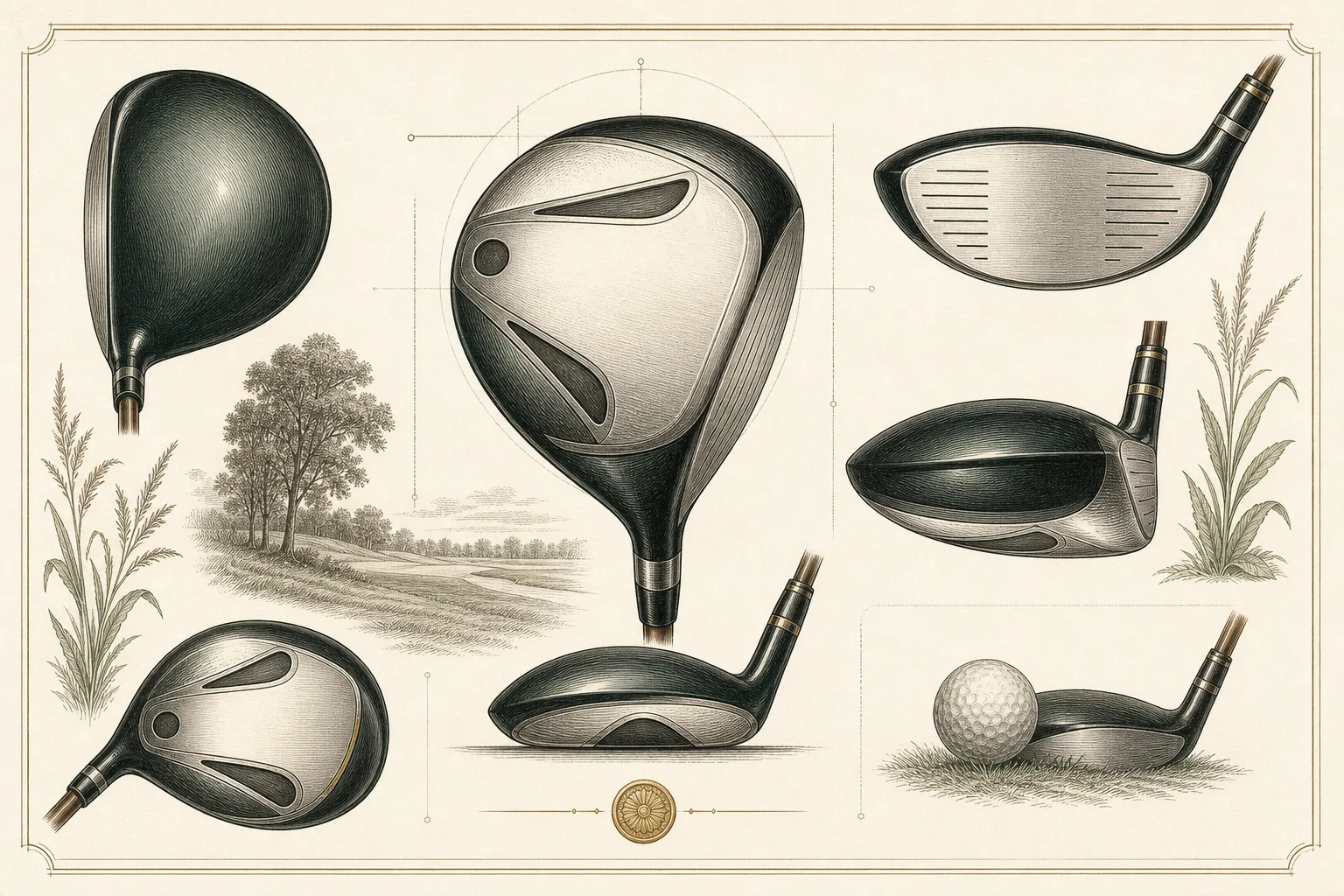
The 983K was the higher-launching, moderate-spin sibling to the low-spin 983E in Titleist's 2003 'Pro Titanium' driver pair -- a compact 365cc pear-shaped head with heel-biased internal weighting designed to help square the face at impact (a benefit to players who tend to miss right) and a slightly shallower, flatter profile than the 983E's deeper face. It carried real tour pedigree: Phil Mickelson and Adam Scott both gamed it, alongside the broader 983-series staff roster of Ernie Els, Davis Love III and Brad Faxon. Where the 983E built a lasting enthusiast following of its own, the 983K's reputation rests more squarely on that tour usage than on ongoing forum devotion.
Real, documented tour pedigree -- Phil Mickelson and Adam Scott both played it -- gives it more historical weight than an average early-2000s driver, but the specific 'still wins' enthusiast cult energy in golf forums attaches to its 983E sibling, not the 983K. Worth stating plainly: tour credibility and grassroots cult status are different things, and the 983K has more of the former than the latter.
Fits mid-to-better players (roughly 95+ mph) who want workability with a bit more forgiveness than a pure low-spin head, particularly those who fight a slice or push, thanks to the heel-biased weighting. Not a fit for anyone needing real modern forgiveness or launch help.
Launched alongside the 983E as Titleist's 2003 tour-driven titanium driver generation, before the 460cc size standardization. The 983 series as a whole predates Titleist's later shift toward broader, more forgiving 906/909/910 driver designs.
Compact and deep by modern standards, but genuinely a notch more forgiving than its 983E sibling: the heel-biased weighting specifically helps square a face that would otherwise stay open, aiding players who miss right, and its shallower profile launches a bit higher and easier. It is still a fundamentally better-player's head -- small, low-MOI relative to any current driver -- so the extra forgiveness is relative, not absolute.
Calibrated across the whole catalog — a tour blade scores low here on purpose; it means control, not ease.
Realistic 2026 private-party pricing runs roughly $35-75 for a clean head with a stock or aftermarket shaft -- a touch below its 983E sibling given the absence of an equivalent dedicated forum cult, though tour-pedigree buyers keep demand steadier than a typical mid-2000s driver.
The Legends Rack
Tiger-era Titleist. The pear-shaped 975D is what the best golf of all time was played with, and the 983K refined it. Small, honest, and gorgeous behind the ball. Who'll love it: better players — hand a modern junior a 260cc head and watch their face.
Who it suitsBetter players
Reading is one thing — hitting is another. Book a bay and see the numbers for yourself before you buy anywhere.
“The compact 385cc tour sibling of the 983E, built for fast swings that spin the ball too much. Small, unforgiving, low-launch by modern standards. Only a fit for a genuine high-speed player, and even then a museum piece.”
The 983K was the higher-launching, moderate-spin sibling to the low-spin 983E in Titleist's 2003 'Pro Titanium' driver pair -- a compact 365cc pear-shaped head with heel-biased internal weighting designed to help square the face at impact (a benefit to players who tend to miss right) and a slightly shallower, flatter profile than the 983E's deeper face. It carried real tour pedigree: Phil Mickelson and Adam Scott both gamed it, alongside the broader 983-series staff roster of Ernie Els, Davis Love III and Brad Faxon. Where the 983E built a lasting enthusiast following of its own, the 983K's reputation rests more squarely on that tour usage than on ongoing forum devotion.
Real, documented tour pedigree -- Phil Mickelson and Adam Scott both played it -- gives it more historical weight than an average early-2000s driver, but the specific 'still wins' enthusiast cult energy in golf forums attaches to its 983E sibling, not the 983K. Worth stating plainly: tour credibility and grassroots cult status are different things, and the 983K has more of the former than the latter.
Fits mid-to-better players (roughly 95+ mph) who want workability with a bit more forgiveness than a pure low-spin head, particularly those who fight a slice or push, thanks to the heel-biased weighting. Not a fit for anyone needing real modern forgiveness or launch help.
Launched alongside the 983E as Titleist's 2003 tour-driven titanium driver generation, before the 460cc size standardization. The 983 series as a whole predates Titleist's later shift toward broader, more forgiving 906/909/910 driver designs.
Compact and deep by modern standards, but genuinely a notch more forgiving than its 983E sibling: the heel-biased weighting specifically helps square a face that would otherwise stay open, aiding players who miss right, and its shallower profile launches a bit higher and easier. It is still a fundamentally better-player's head -- small, low-MOI relative to any current driver -- so the extra forgiveness is relative, not absolute.
Calibrated across the whole catalog — a tour blade scores low here on purpose; it means control, not ease.
Realistic 2026 private-party pricing runs roughly $35-75 for a clean head with a stock or aftermarket shaft -- a touch below its 983E sibling given the absence of an equivalent dedicated forum cult, though tour-pedigree buyers keep demand steadier than a typical mid-2000s driver.
The Legends Rack
Tiger-era Titleist. The pear-shaped 975D is what the best golf of all time was played with, and the 983K refined it. Small, honest, and gorgeous behind the ball. Who'll love it: better players — hand a modern junior a 260cc head and watch their face.
Who it suitsBetter players
Reading is one thing — hitting is another. Book a bay and see the numbers for yourself before you buy anywhere.