Hit 41 times in The Clubhouse
“Draw-biased, max-forgiveness fairway wood - rung-1 help getting the ball up and turning it over, with no penalty for the forgiveness (R5).”
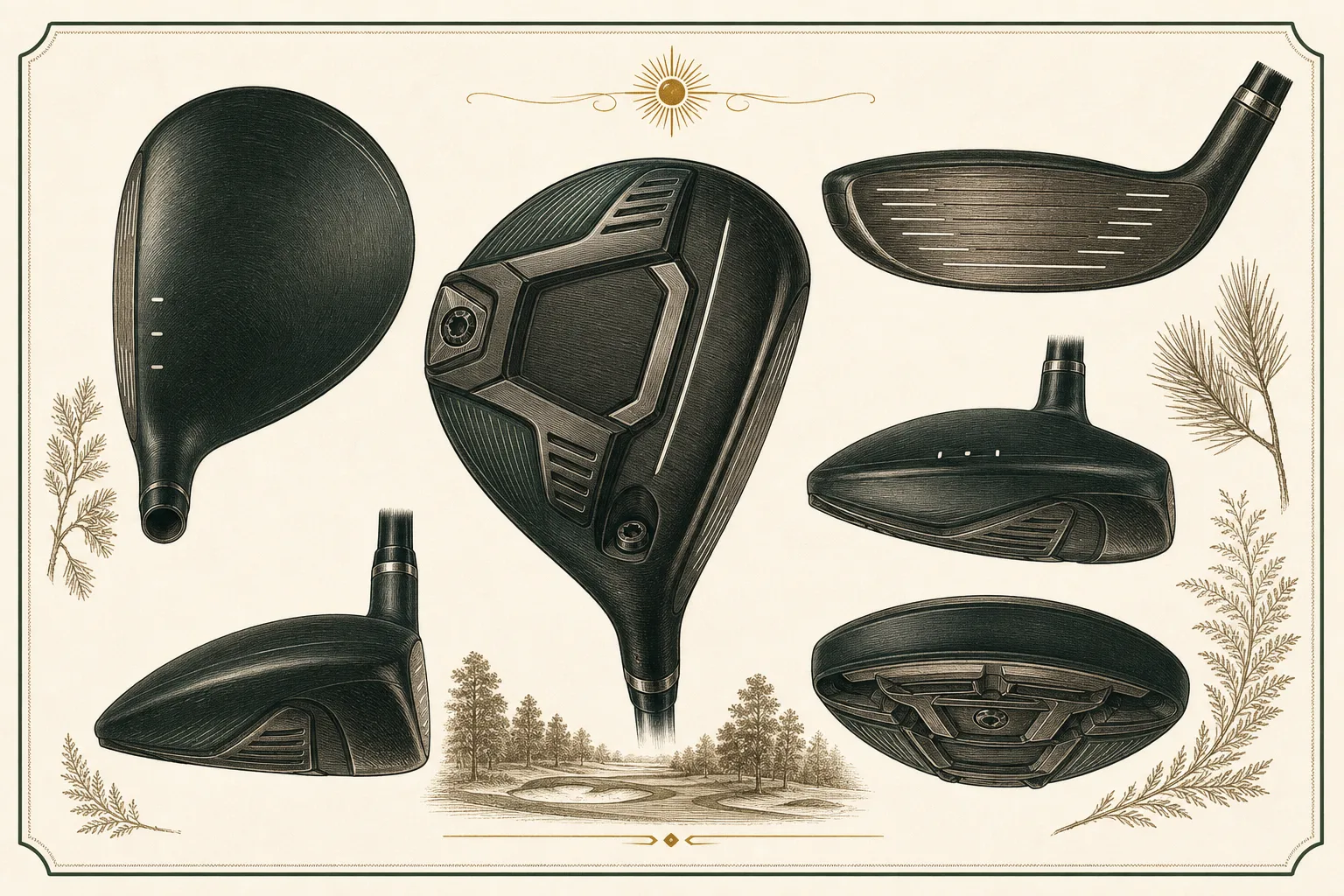
The SFT fairway wood carried Ping's draw-bias 'Straight Flight Technology' concept from the driver into the fairway wood, using heel-weighted CG placement (rather than a single heavy slug like the driver) to close the face slightly and curve shots left for a right-handed slicer. Ping claimed about six more yards of draw bias than the G410 SFT it replaced, and testers found it 'all but eliminated the right side' of the course for players who fought a slice or push. It sits slightly more lofted than the Max and LST heads in the same family, which helps launch height and carry, particularly on shots struck off the turf. Offered in three lofts (16, 19, and 22 degrees), it was the highest-launching of the three 2021 G425 fairway variants.
A genuinely effective and well-reviewed draw-bias fairway wood within the acclaimed G425 family, but it never picked up individual awards the way the Max (Editor's Choice) or the drivers (Hot List gold) did - a solid, honest tool for a specific miss rather than a standout product in its own right.
Golfers who slice or push their fairway wood shots and want built-in correction, especially those in the 70-95 mph swing speed range who also want easy launch off the deck. Golfers who already hit a draw or fade intentionally should choose the neutral Max instead - the SFT's bias will overcorrect their shot shape.
One of three 2021 G425 fairway wood variants; succeeded the G410 SFT with a claimed six extra yards of draw curve. Replaced by the G430 SFT fairway (2022) and eventually the G440 SFT (2025), representing the current-generation version of this same draw-bias concept.
Highly forgiving in the max-forgiveness sense (wide sole, generous face, Facewrap/Spinsistency tech shared across the family) plus a deliberate draw bias from heel-weighted CG placement that specifically shrinks the effective miss to the right. Like the SFT driver, that strong draw bias becomes a liability rather than a feature for a golfer who already draws the ball - it is forgiving of one specific miss pattern, not neutral.
Calibrated across the whole catalog — a tour blade scores low here on purpose; it means control, not ease.
MSRP was $300. Realistic 2026 private-party prices for a clean example run about $100-$150; reconditioned-retail listings (2nd Swing, Golf Avenue) commonly ask $150-$190, the usual graded/warrantied premium over street value.
Reading is one thing — hitting is another. Book a bay and see the numbers for yourself before you buy anywhere.
Hit 41 times in The Clubhouse
“Draw-biased, max-forgiveness fairway wood - rung-1 help getting the ball up and turning it over, with no penalty for the forgiveness (R5).”
The SFT fairway wood carried Ping's draw-bias 'Straight Flight Technology' concept from the driver into the fairway wood, using heel-weighted CG placement (rather than a single heavy slug like the driver) to close the face slightly and curve shots left for a right-handed slicer. Ping claimed about six more yards of draw bias than the G410 SFT it replaced, and testers found it 'all but eliminated the right side' of the course for players who fought a slice or push. It sits slightly more lofted than the Max and LST heads in the same family, which helps launch height and carry, particularly on shots struck off the turf. Offered in three lofts (16, 19, and 22 degrees), it was the highest-launching of the three 2021 G425 fairway variants.
A genuinely effective and well-reviewed draw-bias fairway wood within the acclaimed G425 family, but it never picked up individual awards the way the Max (Editor's Choice) or the drivers (Hot List gold) did - a solid, honest tool for a specific miss rather than a standout product in its own right.
Golfers who slice or push their fairway wood shots and want built-in correction, especially those in the 70-95 mph swing speed range who also want easy launch off the deck. Golfers who already hit a draw or fade intentionally should choose the neutral Max instead - the SFT's bias will overcorrect their shot shape.
One of three 2021 G425 fairway wood variants; succeeded the G410 SFT with a claimed six extra yards of draw curve. Replaced by the G430 SFT fairway (2022) and eventually the G440 SFT (2025), representing the current-generation version of this same draw-bias concept.
Highly forgiving in the max-forgiveness sense (wide sole, generous face, Facewrap/Spinsistency tech shared across the family) plus a deliberate draw bias from heel-weighted CG placement that specifically shrinks the effective miss to the right. Like the SFT driver, that strong draw bias becomes a liability rather than a feature for a golfer who already draws the ball - it is forgiving of one specific miss pattern, not neutral.
Calibrated across the whole catalog — a tour blade scores low here on purpose; it means control, not ease.
MSRP was $300. Realistic 2026 private-party prices for a clean example run about $100-$150; reconditioned-retail listings (2nd Swing, Golf Avenue) commonly ask $150-$190, the usual graded/warrantied premium over street value.
Reading is one thing — hitting is another. Book a bay and see the numbers for yourself before you buy anywhere.