“Launched alongside the ST-Z/ST-X 230 driver refresh with a matching fairway wood and hybrid per GolfWRX's launch coverage. Rung-1.”
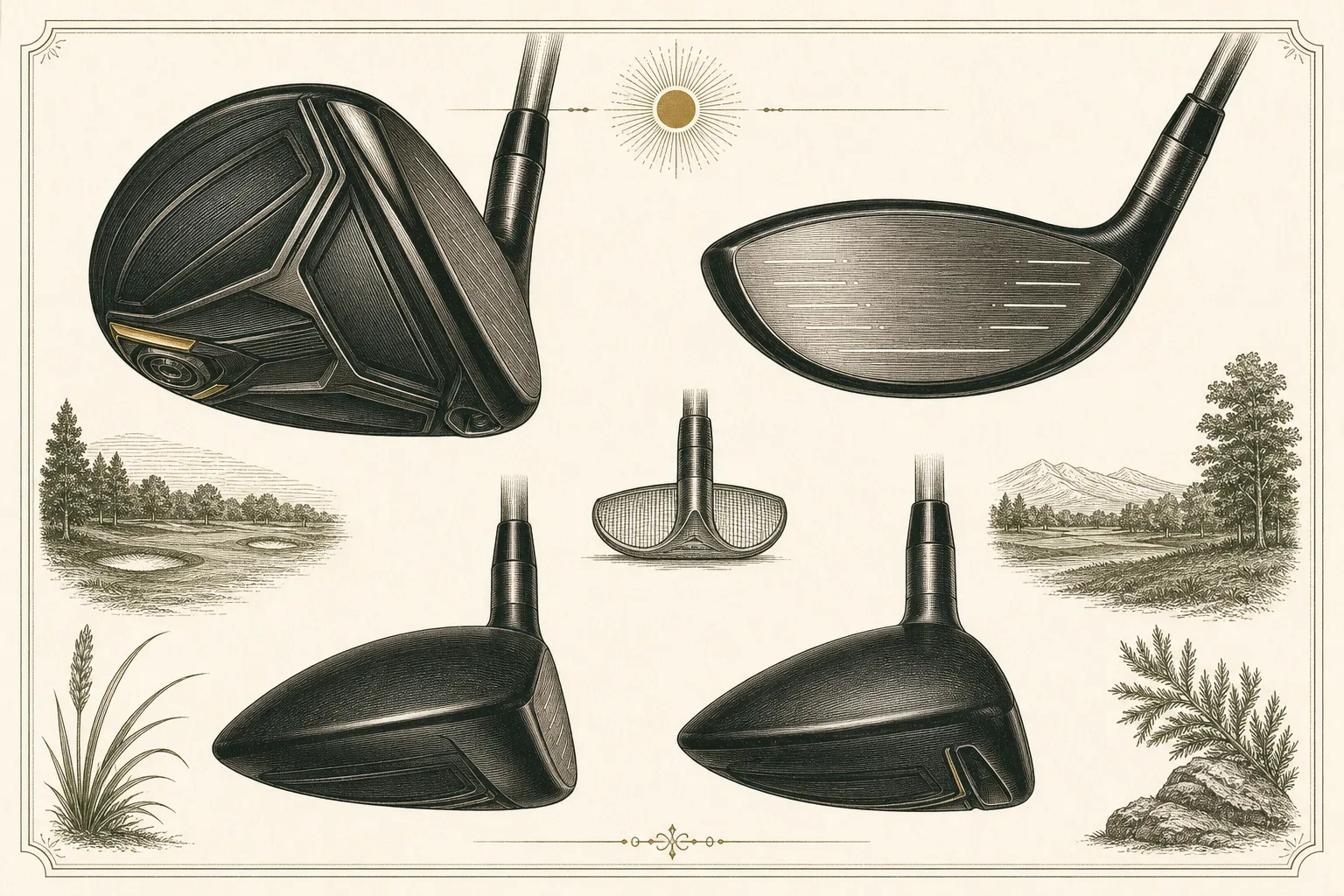
Sold as the ST-X 220, this was the only fairway wood Mizuno brought to market in its 2022 ST-X/ST-Z metalwood refresh, launched alongside the ST-Z 220 and ST-X 220 drivers at a $229 retail. Its Ti811 titanium body carries a multi-thickness CORTECH face designed to keep ball speed high across a wider area of the face, while incremental internal weight is placed extremely low and deep to build in a slight draw bias and an easy, high launch. Mizuno positioned it for moderate swing speeds needing elevated launch and a controlled landing angle rather than for a better player wanting to flight the ball down; owner feedback on retailer sites repeatedly compares it favorably on price against bigger-name fairway woods of the same generation, with one buyer reporting a 10-yard carry gain switching from a Cobra Speedzone Xtreme.
A solidly reviewed, mass-market game-improvement fairway wood with no cult following of its own - the praise it drew centered on offering ST-series performance at a lower price than Mizuno's flagship ST-Z woods, a value story rather than a collectible one.
Fits moderate-swing-speed players who need help getting a fairway wood airborne with a slight draw bias; a better player who wants to work the ball both ways or prefers a lower, more penetrating flight would be better served by the ST-Z 220, its lower-spin sibling launched the same year.
Launched in 2022 alongside the ST-Z 220 and ST-X 220 drivers as Mizuno's answer to Callaway's Rogue ST and TaylorMade's Stealth fairway woods of the same season, it was replaced within about a year by the ST-Z 230 fairway wood in Mizuno's January 2023 refresh.
The low, deep internal weighting and multi-thickness CORTECH face are both explicitly tuned for easy, high launch and a forgiving draw bias rather than shot-shaping control, making it one of the more forgiving fairway woods in Mizuno's 2022 lineup aimed at moderate swing speeds.
Calibrated across the whole catalog — a tour blade scores low here on purpose; it means control, not ease.
Used examples run roughly $85-$150 at 2nd Swing and comparable retailers against a $229 original retail - a typical depreciation curve for a one-generation-old mainstream fairway wood with no particular scarcity or demand premium.
Reading is one thing — hitting is another. Book a bay and see the numbers for yourself before you buy anywhere.
“Launched alongside the ST-Z/ST-X 230 driver refresh with a matching fairway wood and hybrid per GolfWRX's launch coverage. Rung-1.”
Sold as the ST-X 220, this was the only fairway wood Mizuno brought to market in its 2022 ST-X/ST-Z metalwood refresh, launched alongside the ST-Z 220 and ST-X 220 drivers at a $229 retail. Its Ti811 titanium body carries a multi-thickness CORTECH face designed to keep ball speed high across a wider area of the face, while incremental internal weight is placed extremely low and deep to build in a slight draw bias and an easy, high launch. Mizuno positioned it for moderate swing speeds needing elevated launch and a controlled landing angle rather than for a better player wanting to flight the ball down; owner feedback on retailer sites repeatedly compares it favorably on price against bigger-name fairway woods of the same generation, with one buyer reporting a 10-yard carry gain switching from a Cobra Speedzone Xtreme.
A solidly reviewed, mass-market game-improvement fairway wood with no cult following of its own - the praise it drew centered on offering ST-series performance at a lower price than Mizuno's flagship ST-Z woods, a value story rather than a collectible one.
Fits moderate-swing-speed players who need help getting a fairway wood airborne with a slight draw bias; a better player who wants to work the ball both ways or prefers a lower, more penetrating flight would be better served by the ST-Z 220, its lower-spin sibling launched the same year.
Launched in 2022 alongside the ST-Z 220 and ST-X 220 drivers as Mizuno's answer to Callaway's Rogue ST and TaylorMade's Stealth fairway woods of the same season, it was replaced within about a year by the ST-Z 230 fairway wood in Mizuno's January 2023 refresh.
The low, deep internal weighting and multi-thickness CORTECH face are both explicitly tuned for easy, high launch and a forgiving draw bias rather than shot-shaping control, making it one of the more forgiving fairway woods in Mizuno's 2022 lineup aimed at moderate swing speeds.
Calibrated across the whole catalog — a tour blade scores low here on purpose; it means control, not ease.
Used examples run roughly $85-$150 at 2nd Swing and comparable retailers against a $229 original retail - a typical depreciation curve for a one-generation-old mainstream fairway wood with no particular scarcity or demand premium.
Reading is one thing — hitting is another. Book a bay and see the numbers for yourself before you buy anywhere.