“Tour version with a thinner topline and tour-preferred flight. A rung-2 set for the accomplished ballstriker; value buy.”
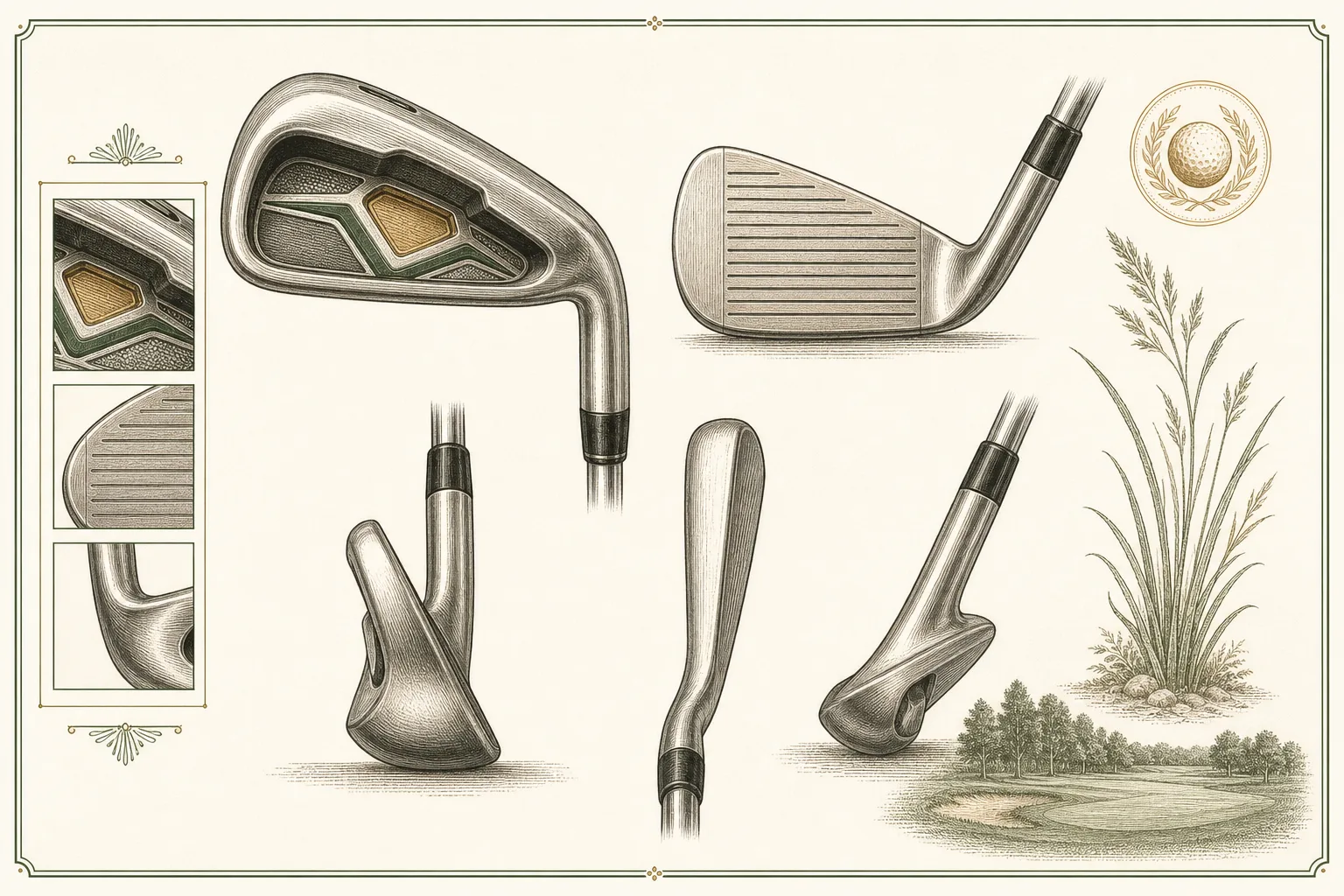
The X-20 Tour picked up the mantle of Callaway's well-regarded X-12 Tour and X-14 Tour -- two sets already carrying reputations as classics among better players -- with a shorter blade length, narrower sole, thinner topline and squared, high toe for a traditional look at address. It carried Extreme Notch Weighting and a 360-degree undercut channel to keep MOI high despite the compact shape, plus Project X shafts as the stock steel option. Reviewers of the day praised its effortless long irons ('a 3-iron feels like a 6-iron') and traditional profile, positioning it as the tour-preferred sibling to the wider, more overtly game-improvement standard X-20. It slotted into Callaway's roughly two-year refresh cadence between the X-18 Pro Series and the X-22 Tour that replaced it.
It inherits real credibility from its X-12 Tour/X-14 Tour predecessors, independently described as classics, and it earned strong contemporary reviews (4.2/5 across 59 golfreview.com user reviews) for feel and workability. That is a genuine step above anonymous commodity status, though there is no scarcity-driven hunting or pro-usage legend specific to the X-20 Tour itself the way there is for a genuine cult classic.
Accomplished ball-strikers (roughly scratch to 10 handicap) who want a traditional look and workability with a touch more forgiveness than a pure blade. A mid-to-high handicapper should buy the standard X-20 instead -- it launches easier and forgives more on off-center hits.
Released in 2006 as the tour-profile sibling to the mainstream X-20, continuing the lineage of X-12 Tour and X-14 Tour that preceded it. It competed with Titleist's 695.CB/MB and TaylorMade's rac TP irons, and was itself replaced by the X-22 Tour around 2008 as Callaway kept its GI and players sub-lines on parallel two-year refresh tracks.
Deliberately less forgiving than the standard X-20 -- the narrower sole, thinner topline, beveled trailing edge and high toe all trade sweet-spot size for workability and a traditional look. The 360-degree undercut channel and Extreme Notch Weighting still give it more stability on mishits than a true blade, but it sits closer to a players' cavity than a game-improvement iron on the forgiveness spectrum.
Calibrated across the whole catalog — a tour blade scores low here on purpose; it means control, not ease.
Complete steel sets typically sell for roughly $100-$180 in 2026, a modest step above mainstream X-18/X-22-era commodity pricing thanks to the Project X shaft and the lingering reputation carried over from the X-12/X-14 Tour lineage.
Reading is one thing — hitting is another. Book a bay and see the numbers for yourself before you buy anywhere.