“One of the most-played AP2 generations on tour and in real bags alike. A genuinely good rung-2/3 used set for a player with the strike consistency to earn it.”
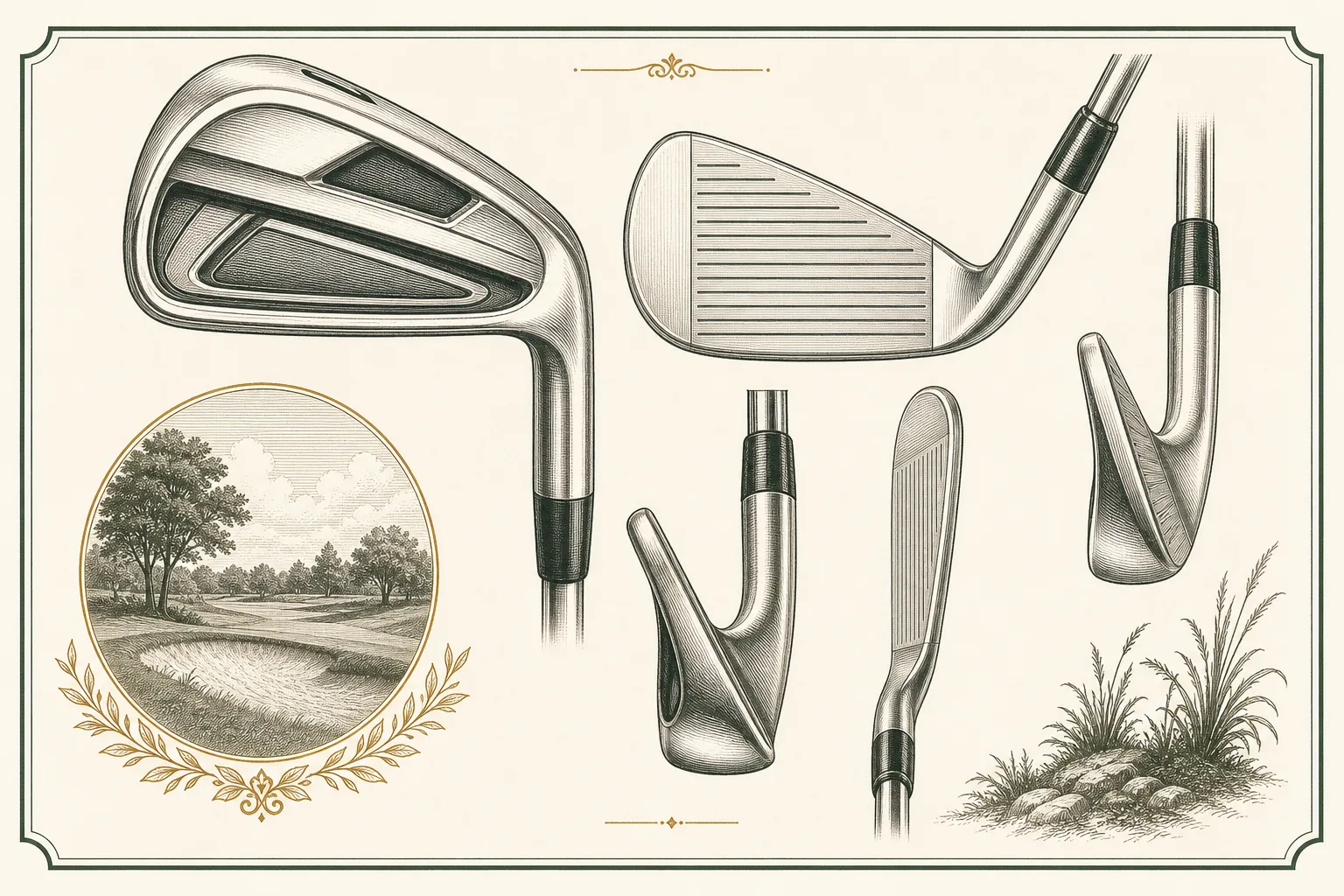
The 712 AP2 refined Titleist's forged, dual-cavity players-distance formula by fixing the main complaint about the original AP2 — a slightly hollow feel at impact — with a solid, more substantial-feeling strike. Reviewers at launch called it 'much more solid' than its predecessor, and years later forum retrospectives still single out the 712 generation specifically (not just 'AP2' broadly) as the standard against which other players' irons get measured. It retailed at $112/club steel ($135 graphite) from November 18, 2011, using forged construction with tungsten toe weighting for stability, and sat as the players'-distance tier below the CB/MB blades and above the AP1 in Titleist's four-model 712 lineup.
Sourced, generation-specific nostalgia rather than generic 'AP2 is beloved' hype: reviews and GolfWRX/forum threads (e.g. 'AP2 difference in the 710, 712 and 714's') repeatedly single out the 712 as the standout within the long-running AP2 line, and it continues to be sought out years after Titleist retired the AP2 name entirely in 2019 in favor of the T-series.
Low-to-mid handicappers (roughly 0-12) who want a blade-adjacent look with real mishit insurance. A high-handicapper chasing maximum forgiveness should look at the AP1 sibling instead.
The players'-distance tier of Titleist's 712 four-model lineup (AP1/AP2/CB/MB); competed against Mizuno's JPX-825/850 Pro and Callaway's RAZR X Muscleback. Replaced by the 714 AP2, whose signature moment was Jason Dufner winning the 2013 PGA Championship with it before public release.
Forged players-distance dual-cavity with tungsten toe weighting is meaningfully more forgiving than the CB/MB blades in the same family, but still a compact, tour-oriented shape well short of true game-improvement (AP1) forgiveness levels.
Calibrated across the whole catalog — a tour blade scores low here on purpose; it means control, not ease.
Clean private-party sets commonly run $250-$450 in 2026 depending on shaft (Dynamic Gold vs. aftermarket) and condition. The generation-specific nostalgia keeps resale firmer than a typical 14-year-old players' iron, though groove and face wear reduce value.
The Legends Rack
The forged players' cavity that a young Jordan Spieth rode to world #1. The best "real players' iron" value in used golf. Who'll love it: better players; many will remember lusting after these.
Who it suitsBetter players
Reading is one thing — hitting is another. Book a bay and see the numbers for yourself before you buy anywhere.
“One of the most-played AP2 generations on tour and in real bags alike. A genuinely good rung-2/3 used set for a player with the strike consistency to earn it.”
The 712 AP2 refined Titleist's forged, dual-cavity players-distance formula by fixing the main complaint about the original AP2 — a slightly hollow feel at impact — with a solid, more substantial-feeling strike. Reviewers at launch called it 'much more solid' than its predecessor, and years later forum retrospectives still single out the 712 generation specifically (not just 'AP2' broadly) as the standard against which other players' irons get measured. It retailed at $112/club steel ($135 graphite) from November 18, 2011, using forged construction with tungsten toe weighting for stability, and sat as the players'-distance tier below the CB/MB blades and above the AP1 in Titleist's four-model 712 lineup.
Sourced, generation-specific nostalgia rather than generic 'AP2 is beloved' hype: reviews and GolfWRX/forum threads (e.g. 'AP2 difference in the 710, 712 and 714's') repeatedly single out the 712 as the standout within the long-running AP2 line, and it continues to be sought out years after Titleist retired the AP2 name entirely in 2019 in favor of the T-series.
Low-to-mid handicappers (roughly 0-12) who want a blade-adjacent look with real mishit insurance. A high-handicapper chasing maximum forgiveness should look at the AP1 sibling instead.
The players'-distance tier of Titleist's 712 four-model lineup (AP1/AP2/CB/MB); competed against Mizuno's JPX-825/850 Pro and Callaway's RAZR X Muscleback. Replaced by the 714 AP2, whose signature moment was Jason Dufner winning the 2013 PGA Championship with it before public release.
Forged players-distance dual-cavity with tungsten toe weighting is meaningfully more forgiving than the CB/MB blades in the same family, but still a compact, tour-oriented shape well short of true game-improvement (AP1) forgiveness levels.
Calibrated across the whole catalog — a tour blade scores low here on purpose; it means control, not ease.
Clean private-party sets commonly run $250-$450 in 2026 depending on shaft (Dynamic Gold vs. aftermarket) and condition. The generation-specific nostalgia keeps resale firmer than a typical 14-year-old players' iron, though groove and face wear reduce value.
The Legends Rack
The forged players' cavity that a young Jordan Spieth rode to world #1. The best "real players' iron" value in used golf. Who'll love it: better players; many will remember lusting after these.
Who it suitsBetter players
Reading is one thing — hitting is another. Book a bay and see the numbers for yourself before you buy anywhere.