“A smaller-headed, lower/deeper-CG cavity aimed at better players who want a touch of forgiveness. Thinner topline and less offset than the standard RAZR X.”
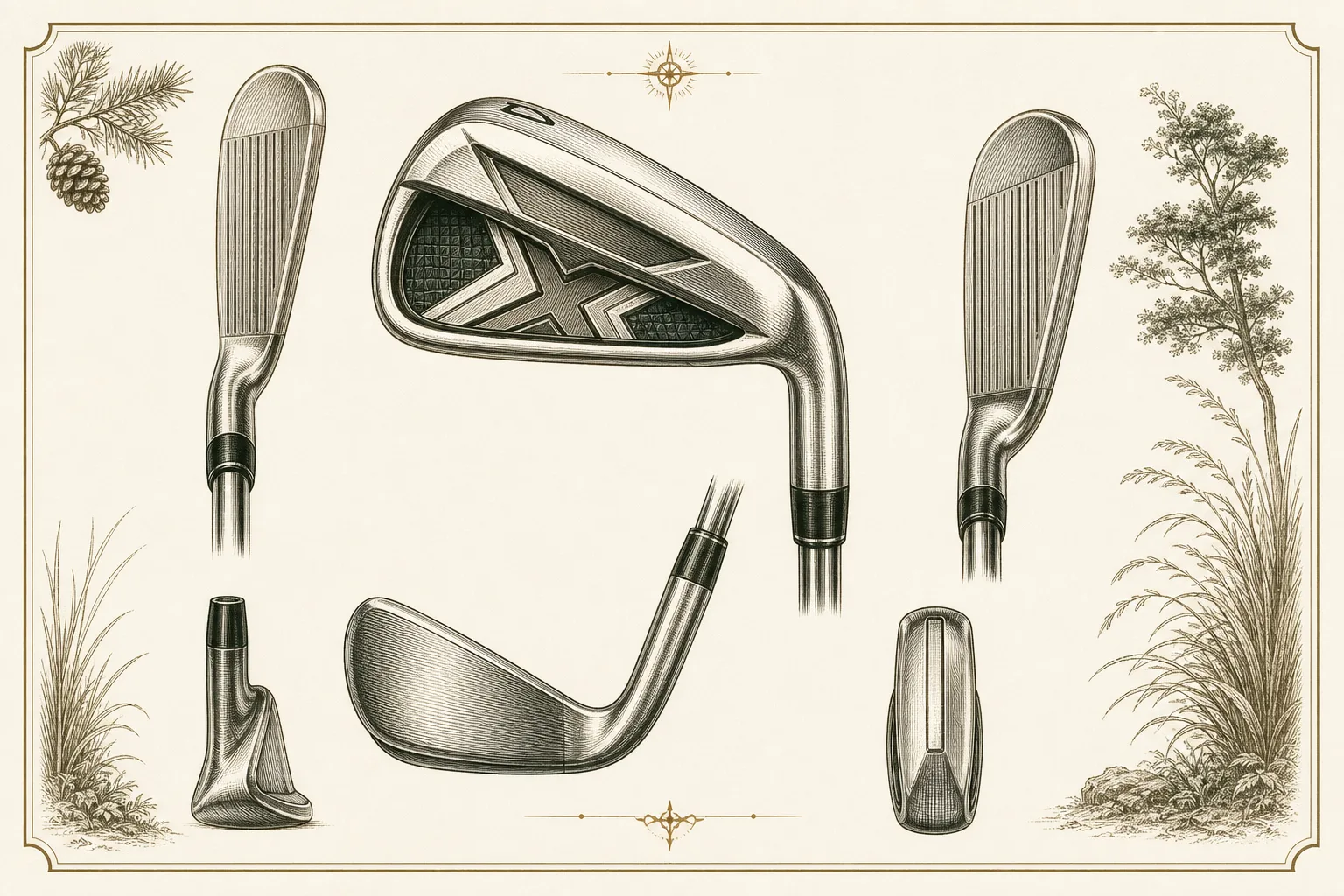
The compact players-cavity in Callaway's 2011 RAZR X family, positioned between the blade-like RAZR X Forged and the mainstream RAZR X game-improvement iron. A 30-gram weight low in the back of the cavity shifted CG 23% lower and 18% deeper than the previous X-22 Tour, run through Callaway's VFT Power System to preserve ball speed across the face while keeping a thinner topline and less offset than the standard RAZR X for a cleaner look at address. Contemporary reviewers pitched it as carrying 'a hint of game-improvement' inside a players shape, specifically praising its performance escaping the rough and holding a straight line.
A well-executed but unremarkable rung on Callaway's product ladder — no scarcity, and no tour legend attached specifically to this model (that belongs to its RAZR X Muscleback sibling). It was superseded on the normal annual cycle and today reads as a solid, forgotten players-distance iron.
Low-to-mid handicaps (roughly 2-12) wanting a cleaner address look and moderate workability without giving up all the forgiveness of a cavity-back. High handicappers should look at the standard RAZR X or RAZR X HL instead.
Replaced the X-22 Tour as Callaway's players-distance option, sitting between the RAZR X Forged and mainstream RAZR X in the 2011 four-tier lineup. Competed with Titleist's AP2, TaylorMade's Tour Preferred, and Mizuno's MP-60 of the same period.
Sits between the RAZR X Forged (5) and the mainstream RAZR X (8) on the forgiveness scale — the 30-gram low-back weighting and VFT face genuinely help mis-hits versus a blade or true muscleback, but the thinner topline, reduced offset and compact head still ask more of the swing than a full game-improvement iron.
Calibrated across the whole catalog — a tour blade scores low here on purpose; it means control, not ease.
Complete sets typically sell for $90-180 private-party in 2026, depending on shaft and condition.
Reading is one thing — hitting is another. Book a bay and see the numbers for yourself before you buy anywhere.
“A smaller-headed, lower/deeper-CG cavity aimed at better players who want a touch of forgiveness. Thinner topline and less offset than the standard RAZR X.”
The compact players-cavity in Callaway's 2011 RAZR X family, positioned between the blade-like RAZR X Forged and the mainstream RAZR X game-improvement iron. A 30-gram weight low in the back of the cavity shifted CG 23% lower and 18% deeper than the previous X-22 Tour, run through Callaway's VFT Power System to preserve ball speed across the face while keeping a thinner topline and less offset than the standard RAZR X for a cleaner look at address. Contemporary reviewers pitched it as carrying 'a hint of game-improvement' inside a players shape, specifically praising its performance escaping the rough and holding a straight line.
A well-executed but unremarkable rung on Callaway's product ladder — no scarcity, and no tour legend attached specifically to this model (that belongs to its RAZR X Muscleback sibling). It was superseded on the normal annual cycle and today reads as a solid, forgotten players-distance iron.
Low-to-mid handicaps (roughly 2-12) wanting a cleaner address look and moderate workability without giving up all the forgiveness of a cavity-back. High handicappers should look at the standard RAZR X or RAZR X HL instead.
Replaced the X-22 Tour as Callaway's players-distance option, sitting between the RAZR X Forged and mainstream RAZR X in the 2011 four-tier lineup. Competed with Titleist's AP2, TaylorMade's Tour Preferred, and Mizuno's MP-60 of the same period.
Sits between the RAZR X Forged (5) and the mainstream RAZR X (8) on the forgiveness scale — the 30-gram low-back weighting and VFT face genuinely help mis-hits versus a blade or true muscleback, but the thinner topline, reduced offset and compact head still ask more of the swing than a full game-improvement iron.
Calibrated across the whole catalog — a tour blade scores low here on purpose; it means control, not ease.
Complete sets typically sell for $90-180 private-party in 2026, depending on shaft and condition.
Reading is one thing — hitting is another. Book a bay and see the numbers for yourself before you buy anywhere.