“The white-crown R11 was a marketing and fitting phenomenon: adjustable loft, face angle and weight all at once. Corrected two things: it's a 440cc head (not 460), and the stock shaft is Fujikura Blur 60/TP65 - the RIP Phenom belongs to the R1, not this one. Three generations of forgiveness behind now, and it shows on the used rack ($70-170).”
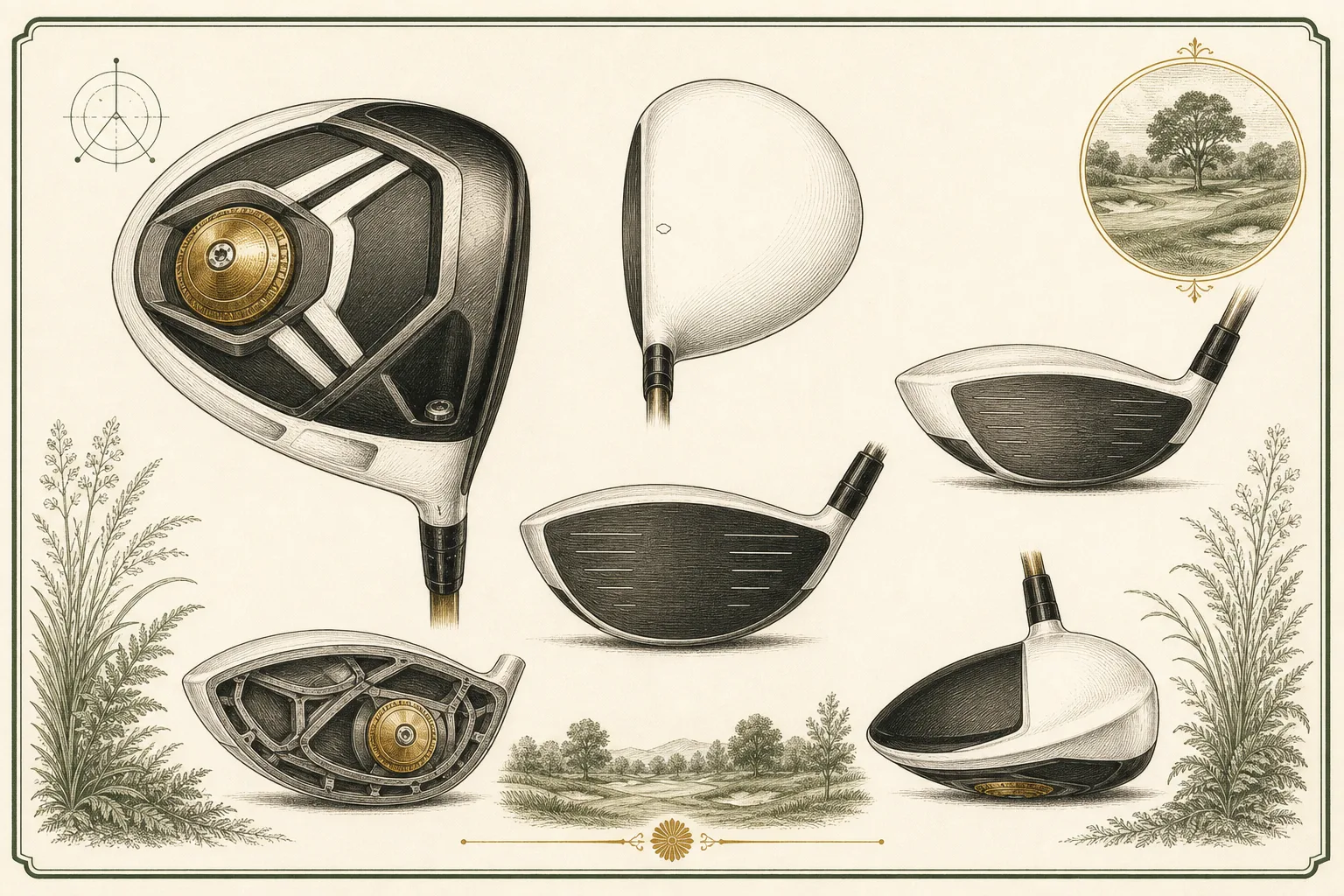
The R11 is the driver that made a matte-white crown the industry norm rather than a novelty. TaylorMade combined its existing adjustability toolkit — Flight Control Technology (FCT) hosel, movable weight technology (MWT), and a new Adjustable Sole Plate (ASP) — into what it billed as '3D tuning,' with 8 FCT positions changing loft by up to 1 degree and shifting face angle and spin along with it. The white non-glare crown with black face was meant purely for alignment contrast, but it became a cultural moment: white drivers dominated pro bags and retail shelves for the next several years across the entire industry. TaylorMade credited it with roughly 6 extra yards over the prior R9 SuperTri in company testing.
Genuinely market-defining rather than merely popular: the R11 became the No. 1 selling driver in the U.S. with a reported peak market share of 21.68% in February 2011 and the No. 1 driver on the PGA Tour that season, with ten different players winning on Tour using a white TaylorMade driver that year, including Darren Clarke at the Open Championship and Luke Donald at the WGC-Match Play. It is credited with starting the white-driver-head trend competitors chased for the rest of the decade. It is not, however, a hunted-down collector's item today — it is simply a very successful, very common product of its moment.
Broad appeal by design — TaylorMade's 3D tuning concept was meant to let one head fit players from tour pros to mid-handicappers by adjusting loft, face angle and weight bias rather than buying a different model. A patient buyer willing to spend real time with the adjustments (reviewers noted 30+ minutes to dial in) gets real value; someone who wants to grab a driver and go should look at a simpler, non-adjustable head.
Followed the R9 (2009), which introduced TaylorMade's first movable-weight system, and was refined into the bigger-headed R11S the following year before the R1 (2013) and then SLDR (2014) moved the platform toward low-spin, slot-based designs. Its lasting legacy is aesthetic and commercial rather than technological: it normalized the white driver head across the whole category, a look brands like Callaway and Nike also adopted through the early 2010s.
A 440cc head that is mid-pack for its era: smaller than the R11S/R1 that followed, with MWT letting a fitter bias weight toward draw or fade for shot-shape correction, but no oversized forgiveness claim was ever central to its marketing — the pitch was tunability, not maximum mis-hit protection.
Calibrated across the whole catalog — a tour blade scores low here on purpose; it means control, not ease.
Plentiful and cheap 15 years on: realistic 2026 private-party price for a clean R11 with stock shaft is roughly $25-60. It sold in huge volume, so supply is high relative to demand, and it carries no collector premium despite its market-share record — that record was about 2011 sales velocity, not enduring desirability.
The Legends Rack
The driver that made white cool overnight. Adjustable sole plate, adjustable hosel, matte white crown against a black face — an aesthetic and adjustability landmark in one. Who'll love it: anyone who golfed through 2011; the "remember when every driver went white?" conversation starts itself.
Who it suitsAll
Reading is one thing — hitting is another. Book a bay and see the numbers for yourself before you buy anywhere.
“The white-crown R11 was a marketing and fitting phenomenon: adjustable loft, face angle and weight all at once. Corrected two things: it's a 440cc head (not 460), and the stock shaft is Fujikura Blur 60/TP65 - the RIP Phenom belongs to the R1, not this one. Three generations of forgiveness behind now, and it shows on the used rack ($70-170).”
The R11 is the driver that made a matte-white crown the industry norm rather than a novelty. TaylorMade combined its existing adjustability toolkit — Flight Control Technology (FCT) hosel, movable weight technology (MWT), and a new Adjustable Sole Plate (ASP) — into what it billed as '3D tuning,' with 8 FCT positions changing loft by up to 1 degree and shifting face angle and spin along with it. The white non-glare crown with black face was meant purely for alignment contrast, but it became a cultural moment: white drivers dominated pro bags and retail shelves for the next several years across the entire industry. TaylorMade credited it with roughly 6 extra yards over the prior R9 SuperTri in company testing.
Genuinely market-defining rather than merely popular: the R11 became the No. 1 selling driver in the U.S. with a reported peak market share of 21.68% in February 2011 and the No. 1 driver on the PGA Tour that season, with ten different players winning on Tour using a white TaylorMade driver that year, including Darren Clarke at the Open Championship and Luke Donald at the WGC-Match Play. It is credited with starting the white-driver-head trend competitors chased for the rest of the decade. It is not, however, a hunted-down collector's item today — it is simply a very successful, very common product of its moment.
Broad appeal by design — TaylorMade's 3D tuning concept was meant to let one head fit players from tour pros to mid-handicappers by adjusting loft, face angle and weight bias rather than buying a different model. A patient buyer willing to spend real time with the adjustments (reviewers noted 30+ minutes to dial in) gets real value; someone who wants to grab a driver and go should look at a simpler, non-adjustable head.
Followed the R9 (2009), which introduced TaylorMade's first movable-weight system, and was refined into the bigger-headed R11S the following year before the R1 (2013) and then SLDR (2014) moved the platform toward low-spin, slot-based designs. Its lasting legacy is aesthetic and commercial rather than technological: it normalized the white driver head across the whole category, a look brands like Callaway and Nike also adopted through the early 2010s.
A 440cc head that is mid-pack for its era: smaller than the R11S/R1 that followed, with MWT letting a fitter bias weight toward draw or fade for shot-shape correction, but no oversized forgiveness claim was ever central to its marketing — the pitch was tunability, not maximum mis-hit protection.
Calibrated across the whole catalog — a tour blade scores low here on purpose; it means control, not ease.
Plentiful and cheap 15 years on: realistic 2026 private-party price for a clean R11 with stock shaft is roughly $25-60. It sold in huge volume, so supply is high relative to demand, and it carries no collector premium despite its market-share record — that record was about 2011 sales velocity, not enduring desirability.
The Legends Rack
The driver that made white cool overnight. Adjustable sole plate, adjustable hosel, matte white crown against a black face — an aesthetic and adjustability landmark in one. Who'll love it: anyone who golfed through 2011; the "remember when every driver went white?" conversation starts itself.
Who it suitsAll
Reading is one thing — hitting is another. Book a bay and see the numbers for yourself before you buy anywhere.