“M2 ran three model years (2016-2018) with a refreshed REAX shaft matrix in 2019 (45/55/65/75g by flex) — the volume-selling standard-rung TaylorMade fairway of its era.”
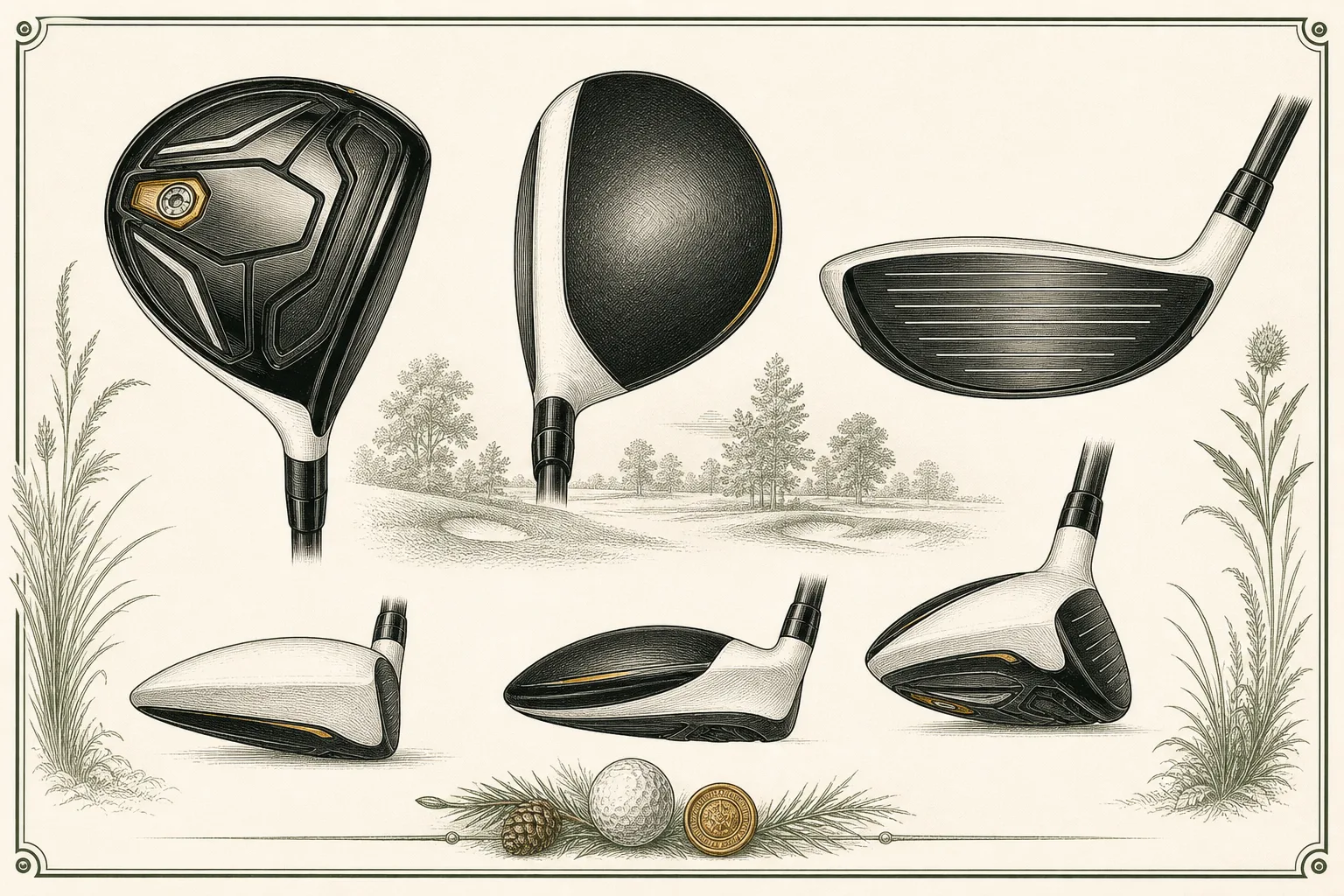
The volume-selling, standard-rung TaylorMade fairway wood of the M-family era, running three full model years (2016-2018) with an updated REAX shaft matrix (45/55/65/75g by flex) added for 2019. It used the same 7-layer Carbon Composite Crown philosophy as the M2 driver — about 5g lighter than a comparable metal crown, weight pushed low for launch — paired with a steel body, a Speed Pocket 22% more flexible than the outgoing AeroBurner fairway's, and a fluted hosel intended to improve feel at impact. It did exactly what a game-improvement fairway wood needed to do: launch easily, forgive mishits, and look good doing it, without ever becoming a standout in its own right.
No cult status and no real argument for one: a solid, well-liked, mass-market fairway wood that sold in volume for three model years and was then quietly replaced when TaylorMade moved to the M3/M4 generation. Reviews from its era were positive but functional — praise for launch and forgiveness, not the kind of forum reverence a genuinely special club attracts.
Fits mid-to-high handicap golfers who want an easy-launching, forgiving fairway wood off the tee or the deck without fuss. A better player looking for more workability and a lower, more penetrating flight from a fairway wood should look at TaylorMade's own tour-oriented options from the same era instead.
Part of the 2016 M-family launch, sold across three full model years (2016-2018) before TaylorMade's M3/M4 generation replaced it — an unusually long run for a TaylorMade fairway wood, which the company typically refreshes annually. Competed against Callaway's Big Bertha and Titleist's 917F2/F3 fairway woods across that span.
Textbook game-improvement fairway forgiveness: low, carbon-crown-enabled CG for easy launch, a flexible Speed Pocket to protect ball speed on thin strikes off the deck, and the wide, generous sole shape typical of the category. Nothing exotic, just competently executed forgiveness engineering.
Calibrated across the whole catalog — a tour blade scores low here on purpose; it means control, not ease.
Realistic 2026 private-party pricing for a clean M2 fairway wood runs roughly $40-80 — fairway woods depreciate faster than drivers of the same vintage since buyers place less value on adjustability differences. Reconditioned-retail listings typically show $80-140 graded; the gap is a standard warranty/grading premium, not any collector interest.
The Legends Rack
Same magic as the M2 driver in fairway form — high launch, stupid distance, zero drama. Who'll love it: anyone who struggles with 3-woods; this one is friendly.
Who it suitsAll
Reading is one thing — hitting is another. Book a bay and see the numbers for yourself before you buy anywhere.
“M2 ran three model years (2016-2018) with a refreshed REAX shaft matrix in 2019 (45/55/65/75g by flex) — the volume-selling standard-rung TaylorMade fairway of its era.”
The volume-selling, standard-rung TaylorMade fairway wood of the M-family era, running three full model years (2016-2018) with an updated REAX shaft matrix (45/55/65/75g by flex) added for 2019. It used the same 7-layer Carbon Composite Crown philosophy as the M2 driver — about 5g lighter than a comparable metal crown, weight pushed low for launch — paired with a steel body, a Speed Pocket 22% more flexible than the outgoing AeroBurner fairway's, and a fluted hosel intended to improve feel at impact. It did exactly what a game-improvement fairway wood needed to do: launch easily, forgive mishits, and look good doing it, without ever becoming a standout in its own right.
No cult status and no real argument for one: a solid, well-liked, mass-market fairway wood that sold in volume for three model years and was then quietly replaced when TaylorMade moved to the M3/M4 generation. Reviews from its era were positive but functional — praise for launch and forgiveness, not the kind of forum reverence a genuinely special club attracts.
Fits mid-to-high handicap golfers who want an easy-launching, forgiving fairway wood off the tee or the deck without fuss. A better player looking for more workability and a lower, more penetrating flight from a fairway wood should look at TaylorMade's own tour-oriented options from the same era instead.
Part of the 2016 M-family launch, sold across three full model years (2016-2018) before TaylorMade's M3/M4 generation replaced it — an unusually long run for a TaylorMade fairway wood, which the company typically refreshes annually. Competed against Callaway's Big Bertha and Titleist's 917F2/F3 fairway woods across that span.
Textbook game-improvement fairway forgiveness: low, carbon-crown-enabled CG for easy launch, a flexible Speed Pocket to protect ball speed on thin strikes off the deck, and the wide, generous sole shape typical of the category. Nothing exotic, just competently executed forgiveness engineering.
Calibrated across the whole catalog — a tour blade scores low here on purpose; it means control, not ease.
Realistic 2026 private-party pricing for a clean M2 fairway wood runs roughly $40-80 — fairway woods depreciate faster than drivers of the same vintage since buyers place less value on adjustability differences. Reconditioned-retail listings typically show $80-140 graded; the gap is a standard warranty/grading premium, not any collector interest.
The Legends Rack
Same magic as the M2 driver in fairway form — high launch, stupid distance, zero drama. Who'll love it: anyone who struggles with 3-woods; this one is friendly.
Who it suitsAll
Reading is one thing — hitting is another. Book a bay and see the numbers for yourself before you buy anywhere.